6 Factors That Decide How Long Your Fire Pit Takes to Install
Last Updated: November 3, 2026
Quick Summary
A fire pit installation can take a single afternoon for a simple plug-in or wood-burning setup, or several days once gas lines, a stone surround, and site work are involved. The fire pit installation time depends mainly on the fuel type, site preparation, surround, gas connection, permits, and whether a professional or you does the work.
- Site preparation is usually the longest step, often taking longer than the fire pit itself.
- A DIY wood-burning site layout and excavation can take roughly 4-8 hours for the gravel base.
- Concrete or mortar needs about 24-48 hours of cure time before heavy stone is placed.
- Gas installs take longer because of trenching, pressure testing, and scheduled inspections.
- Gas work should be handled by a qualified professional, since local codes set the rules.
Table of Contents
- Fire Pit Site Preparation: The Step That Adds the Most Time
- How Long to Install a Gas Fire Pit Versus a Wood-Burning Model
- DIY Fire Pit Installation Time: A Realistic Schedule
- Factors That Stretch or Shorten Your Timeline
- Fire Pit Installation Checklist Before You Start
- Booking Your Carol Rose or Grand Blount Installation
- Frequently Asked Questions
Most homeowners want to know one thing before they buy: how long will this take? The honest answer is that a fire pit installation can take a single afternoon for a simple plug-in setup, or several days once gas lines, a stone surround, and site work come into play. Knowing which factors drive the schedule helps you plan around your guests, your weekend, and your budget.
The fire pit installation time depends on six main factors: the fuel type, the site, the surround, the gas or propane connection, the permits, and who does the work. Each one can add hours or days. The sections below walk through them in order, so you can estimate your own timeline with confidence.
- Fuel type: wood-burning, natural gas, or propane
- Site preparation: grading, base, and drainage
- Surround and enclosure: stone, masonry, or finished frame
- Gas line and connection work
- Permits and inspections
- Your own skill level versus a professional crew
Fire Pit Site Preparation: The Step That Adds the Most Time
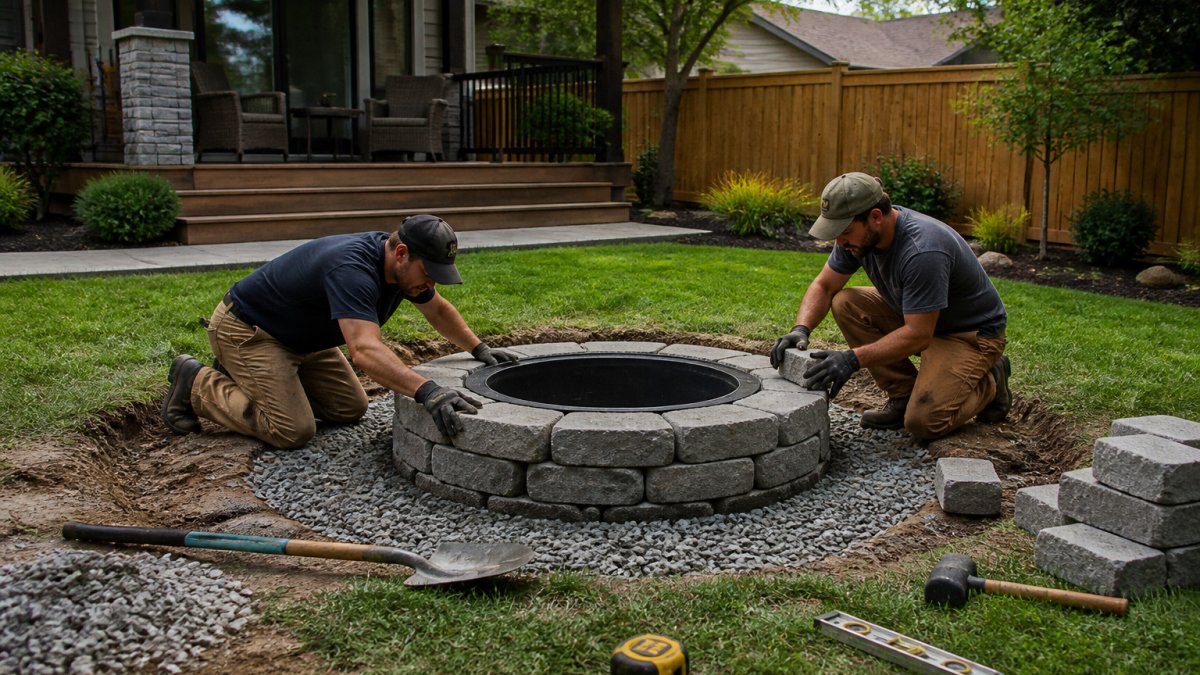
Site preparation is usually the longest part of any installation. Before the fire pit goes down, the ground has to be leveled, compacted, and drained. A flat, stable base keeps the pan level and prevents shifting over time.
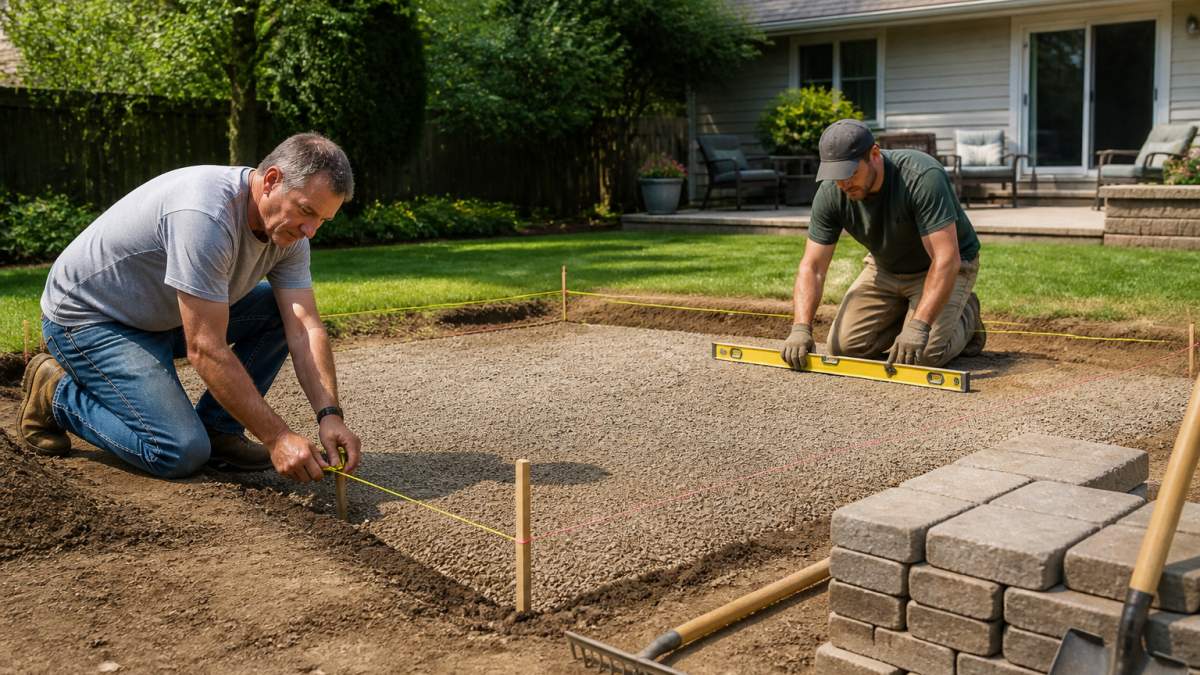
Site work often takes longer than the fire pit itself, and pavers or a concrete pad add time for curing. For guidance on how much room the area needs, see outdoor fire pit seating area dimensions.
What the site work usually involves:
- Marking the footprint and checking clearance to the house, fences, and overhanging branches
- Digging out the area and removing sod or old material
- Adding and compacting a gravel base in layers
- Setting a level pad or paver surface
- Allowing concrete or mortar to cure before placing heavy stone
How Long to Install a Gas Fire Pit Versus a Wood-Burning Model
A wood-burning fire pit is generally quick to place. The Pilgrim Fire Pit with Mesh Ember Cover at $599.00 is designed for use on a suitable non-combustible outdoor surface. The Pilgrim Nature Fire Ring at $379.99 ships knocked down, so assembly adds a short step before it sits in place. For a wood-burning ring, the schedule is dominated by site work, not the appliance.
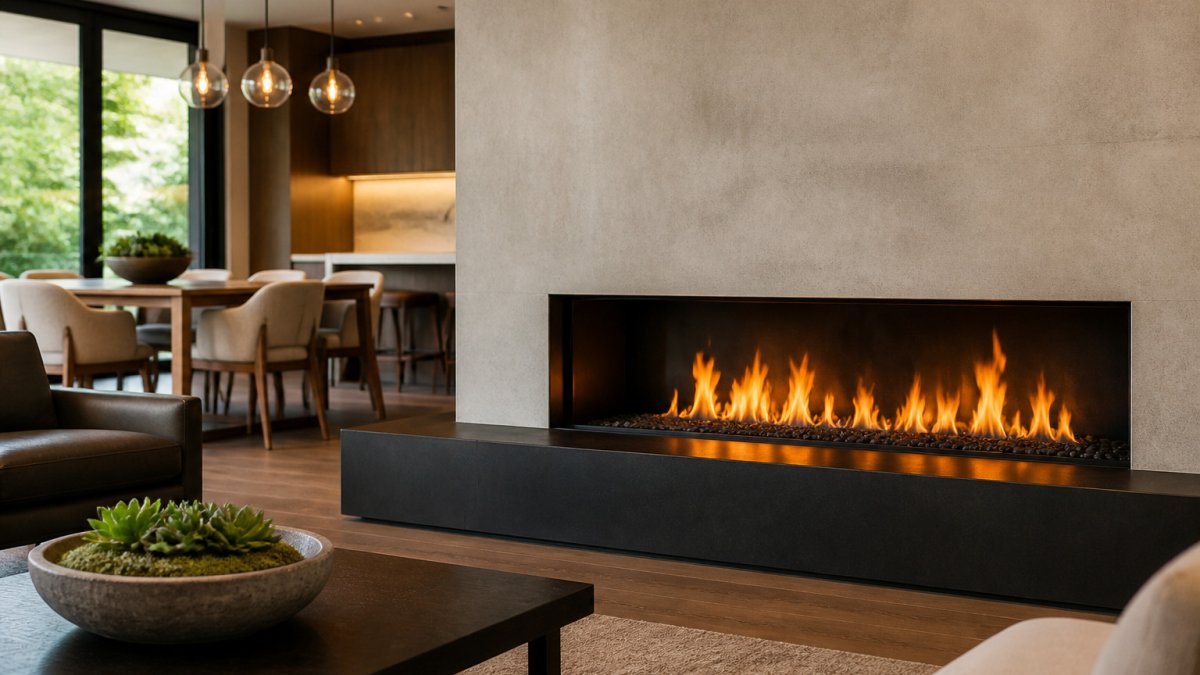
A gas fire pit takes longer because of the fuel line and the inspection chain. To compare fuel options in more depth, see how to pick the best fuel for an outdoor fire pit. The Carol Rose 60" Linear Outdoor Gas Fire Pit at $3,259.00 and the Grand Blount Grand Fire Pit 36" - Natural Gas at $2,468.00 both need a qualified gas-appliance professional for the connection, plus a noncombustible enclosure or surround. Plan for the permit window separately, as it can be a significant part of the overall schedule.
Gas Line and Propane Hookup Time
The gas connection is where most timelines stretch. Running a new natural gas line means trenching, routing pipe to the appliance, pressure testing, and an inspection before the gas is turned on. Propane setups are often quicker because the tank sits nearby and needs no trench, but the connection still has to be checked for leaks.
Gas work should be handled by a qualified professional. Local codes set the rules for materials, depth, and testing, so ask your installer which inspections apply where you live. For the safe routing details, read the venting an outdoor gas fireplace guide.
Typical gas-side steps:
- Confirm the gas supply and pressure at the site
- Pull the permit and confirm which inspections apply
- Trench and route the line, or position the propane tank
- Connect and pressure-test the line
- Schedule the rough-in and final inspections
- Light and check the burner
Outdoor-Rated Appliances Versus Indoor Units Vented Through a Wall
An outdoor gas fire pit is not the same appliance as an indoor direct-vent fireplace routed through an exterior wall. Before you estimate time, confirm which category your appliance falls into. If the manual specifies a vent configuration, follow it, since model-specific requirements can add inspection steps.
What Actually Drives the Gas Timeline
- Trench length and route: Longer runs and crossings under walkways add hours.
- Pressure test and inspection: Each inspection is a scheduled appointment, not a same-day step.
- Enclosure and surround: Noncombustible framing and finish work can run in parallel with the gas rough-in, but not with the final connection.
- Model-specific requirements: Venting, clearance, and termination rules in the manual can add steps a generic estimate misses.
A gas installation typically involves permit and site work, rough-in and inspection, enclosure and finish, and a final connection and inspection, which generally takes longer than a wood-burning setup.
DIY Fire Pit Installation Time: A Realistic Schedule
Many homeowners install a wood-burning ring themselves. Gas work is different, and a qualified professional should handle any gas line, since mistakes there carry real safety risk.
Here is a realistic schedule for a DIY wood-burning setup:
Carol Rose 60" Linear Outdoor Gas Fire Pit →
| Step | Typical Time | Frequency |
|---|---|---|
| Site layout and clearance check | 1-2 hours | Once |
| Excavation and gravel base | 4-8 hours | Once |
| Compaction and leveling | 2-4 hours | Once |
| Set pan or ring and surround | 2-4 hours | Once |
| Cure time (if concrete or mortar) | 24-48 hours | Once |
The table assumes good weather and no surprises. Rain, rock, or tree roots can add a day.
Factors That Stretch or Shorten Your Timeline
Several factors move the schedule in either direction. Knowing them ahead of time keeps your plans realistic.
- Ground conditions: Clay soil and rocky ground take longer to dig and compact.
- Weather: Rain delays concrete work and stops trenching.
- Permits and inspections: Waiting for an inspection can add days to a gas install.
- Material lead times: Custom stone or stock delays push the start date back.
- Site access: Tight side yards mean hand-digging and slower equipment work.
- Crew size: A two-person crew finishes faster than one person working alone.
Make sure the base work is finished before the unit is delivered.
Fire Pit Installation Checklist Before You Start
Use this checklist to avoid delays on install day, and to catch the safety items that generic timelines skip.
Planning and permits
- Confirm the fuel type: wood-burning, natural gas, or propane
- Check local rules and whether a permit or inspection applies
- Confirm whether the appliance is outdoor-rated or an indoor unit vented through a wall
- Read the appliance manual for model-specific venting, clearance, and termination requirements
- Mark the footprint and confirm clearance from the house, fences, and overhanging branches
- Check for buried utilities before any digging
Clearances and termination placement
- Keep terminations and openings clear of doors, windows, air intakes, eaves, walkways, and combustible siding
- Use the manufacturer's clearance table rather than a generic distance
- Confirm the termination is not blocked by fencing, planters, or stored items
- Verify wind, rain, and snow exposure and use only manufacturer-approved protection
Materials and labor
- Order the base materials and any stone or paver surround
- Book a licensed professional for gas work
- Confirm the surface is non-combustible and level
- Plan for weather and keep a backup date
Inspection and stop-use signs
- Know the warning signs: exhaust odors, soot, damaged venting, unusual flame behavior, or a carbon monoxide alarm
- If any of those appear, stop using the fireplace and call a qualified technician
- Schedule a routine inspection of blockages, corrosion, loose joints, and damaged caps
- Leave repairs to venting, gas lines, and terminations to a qualified technician
You can visually check the termination for blockages, look for corrosion or loose joints, and note any change in flame behavior. Anything beyond that, opening the venting, adjusting gas pressure, or replacing components, belongs to a qualified technician.
Watch out: a carbon monoxide alarm near an outdoor gas appliance is a stop-use signal, not a nuisance to silence. Turn the appliance off and call a professional.
Booking Your Carol Rose or Grand Blount Installation
If you're planning a gas fire pit, the Carol Rose 60" Linear Outdoor Gas Fire Pit suits contemporary patios and outdoor kitchens, with a stainless steel build and multicolor LED lighting. The Grand Blount Grand Fire Pit 36" - Natural Gas delivers 160,000 BTU in a classic ceramic log setting, designed for installation within a customer-supplied noncombustible enclosure. Professional installation is recommended.
Ready to plan your outdoor space? Explore our collection of outdoor fire pits and choose the model that fits your timeline and your patio.
Frequently Asked Questions
How long does it take to install an outdoor fire pit?
Installation time depends on the fuel type, site readiness, and whether a gas line, enclosure, or permit inspection is involved. A freestanding wood-burning ring is generally quicker to set than a gas fire pit, and lead time for materials and inspections can extend the calendar schedule.
How long does a DIY fire pit installation take?
Gas models take longer because the work includes leveling, routing the supply line, and testing for leaks. Because gas connections and local code requirements vary, many homeowners hire a licensed gas-appliance professional for the connection while doing the site prep and enclosure themselves. Always follow the manufacturer's installation manual.
Does a gas fire pit take longer to install than a wood-burning fire pit?
Yes. A wood-burning fire pit mainly requires a level, noncombustible surface and clearance from structures. A gas fire pit adds a supply line, a connection by a qualified professional, a leak test and burner verification. The Grand Blount 36-inch system, for example, needs a customer-supplied noncombustible enclosure, so plan that surround before the fire pit is set in place.
What should I check before using a newly installed fire pit?
Before the first fire, confirm the base is level and the surround is fully noncombustible. Check that clearances to the house, fences, overhangs and plants meet the manufacturer's listed distances. For gas models, confirm the connection passed a leak test and that the burner lights and flame pattern is even. Keep a fire extinguisher or water source nearby, and review the owner's manual for any break-in or curing instructions before you use the unit for the first time.