What Type of Fireplace Adds the Most Value?
Table of Contents
- Do Fireplaces Actually Increase Home Value?
- Gas vs Wood Fireplace ROI: Which Pays Off More?
- Do Electric Fireplaces Increase Home Value?
- Modern Fireplace Design Trends That Drive Buyer Demand
- Fireplace Types Compared: Value, Cost, and Lifestyle Fit
- Outdoor Fireplaces and Fire Pits: Underrated Value Drivers
- Insurance, Safety, and Regional Factors That Affect ROI
- Conclusion
Last Updated: August 17, 2026
Do Fireplaces Actually Increase Home Value?
Fireplaces remain one of the most emotionally compelling features in residential real estate. According to the National Association of Realtors research on home features, fireplaces consistently rank among the top amenities buyers request during home searches. At Zen Home Fireplaces, we offer a curated selection of luxury indoor and outdoor fireplaces, and the pattern is consistent: the right fireplace installation adds measurable buyer appeal and genuine resale value.
The key word is "right." Not every fireplace installation pays off equally. A dated, poorly maintained wood-burning unit in a warm climate adds little. A sleek, direct-vent gas fireplace with premium stonework in a well-staged living room? That's a different conversation entirely.

What type of fireplace adds the most value? The honest answer depends on your market, your buyer profile, and the installation quality. This guide breaks down each fireplace type, compares their ROI, and covers the design and regional factors that actually move the needle at appraisal time.
Below, we'll examine gas versus wood-burning ROI, whether electric fireplaces hold their weight, modern design trends that drive buyer demand, and the insurance and climate factors most guides skip entirely.
Gas vs Wood Fireplace ROI: Which Pays Off More?
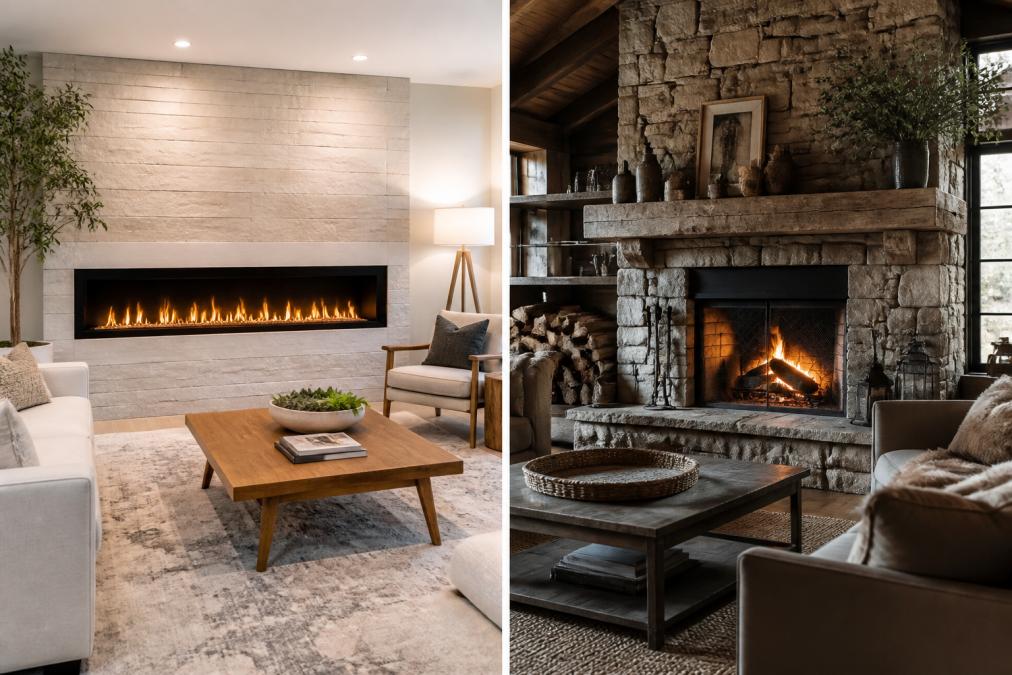
Gas fireplaces deliver the strongest return on investment for most homeowners. They combine low maintenance requirements with high buyer appeal, making them the practical choice in the majority of real estate markets. A gas insert or built-in unit eliminates the hassle of wood storage, chimney cleaning, and smoke management, which are friction points that increasingly turn off modern buyers.
Gas Fireplace: Buyer Appeal and Installation Costs
The buyer appeal of a gas fireplace is difficult to overstate. Buyers respond to the combination of instant ignition, zonal heating capability, and clean aesthetic. Direct vent and ventless configurations give homeowners flexibility that wood-burning units simply cannot match. A direct-vent model pulls combustion air from outside and exhausts through a sealed flue, making it safer and easier to install in spaces where a traditional chimney is not practical.
From a cost perspective, gas fireplace installation varies considerably by model and complexity. The Majestic Trilliant 30-Inch Direct Vent Gas Fireplace Insert from Zen Home Fireplaces is priced at $3,399.97, making it an accessible entry point for homeowners who want to upgrade an existing firebox. The White Mountain Hearth Boulevard 60-Inch Contemporary Linear Fireplace at $6,699.97 represents the premium end, where the visual impact alone can transform a living room into a true focal point.

Gas fireplaces also score well on energy efficiency. Zonal heating allows homeowners to warm a single room without running the central HVAC system, which resonates with buyers who are conscious of utility costs.
Wood-Burning Fireplace: Charm vs. Maintenance Reality
Wood-burning fireplaces carry a powerful emotional appeal. Many buyers specifically search for them, associating them with authenticity, tradition, and the sensory experience of a real fire. That charm is real, and in certain markets, particularly older homes and rural properties, a well-maintained wood-burning fireplace can be a genuine differentiator.
The maintenance reality, however, is significant. Annual chimney inspections are required under National Fire Protection Association guidelines NFPA 211 standard for chimneys and fireplaces, and creosote buildup creates a legitimate fire safety risk if inspections are skipped. Buyers who understand this factor in the ongoing maintenance costs during their purchase decision.
The net effect on property valuation is more uneven than gas. In cold climates where buyers actively use fireplaces, wood-burning units can hold their value well. In warmer markets, the maintenance burden often outweighs the aesthetic benefit in the eyes of buyers.
Do Electric Fireplaces Increase Home Value?
Electric fireplaces add value differently than gas or wood-burning models. They are unlikely to move the needle significantly on a formal home appraisal, but they contribute meaningfully to buyer perception, lifestyle compatibility, and the overall aesthetic of a space.
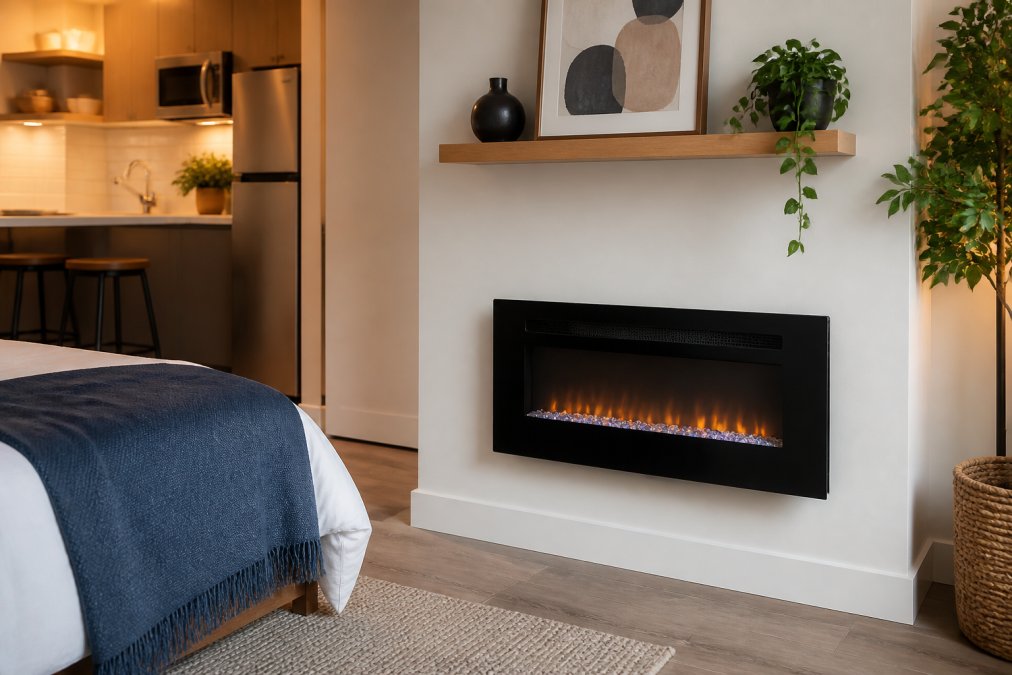
For apartment and condo dwellers, electric fireplaces are often the only viable option. No venting, no gas line, no structural modification required. A well-chosen electric unit with a realistic flame effect and quality surround can create the same visual focal point as a built-in gas fireplace at a fraction of the installation cost.

The honest limitation: sophisticated buyers and appraisers generally recognize the difference. An electric fireplace signals convenience rather than premium craftsmanship. If your goal is maximum resale value, a gas or wood-burning installation in a permanent surround will outperform an electric unit. If your goal is livability and aesthetic appeal within a rental or small space, electric fireplaces are an entirely sensible choice.
Modern Fireplace Design Trends That Drive Buyer Demand
The fireplace market has shifted decisively toward contemporary design. Buyers in 2026 are responding to clean lines, premium materials, and integrated technology, not the ornate Victorian mantels of a previous era. Understanding which design choices command a premium is essential before committing to an installation.
Premium Materials: Granite, Marble, and Stonework
Material choice is where fireplace installations move from functional to genuinely valuable. Granite, marble, and natural stonework surrounds signal quality in a way that buyers register immediately, even if they cannot articulate why. These materials are durable, timeless, and photograph well, which matters enormously in an era where most buyers preview homes online before ever scheduling a showing.
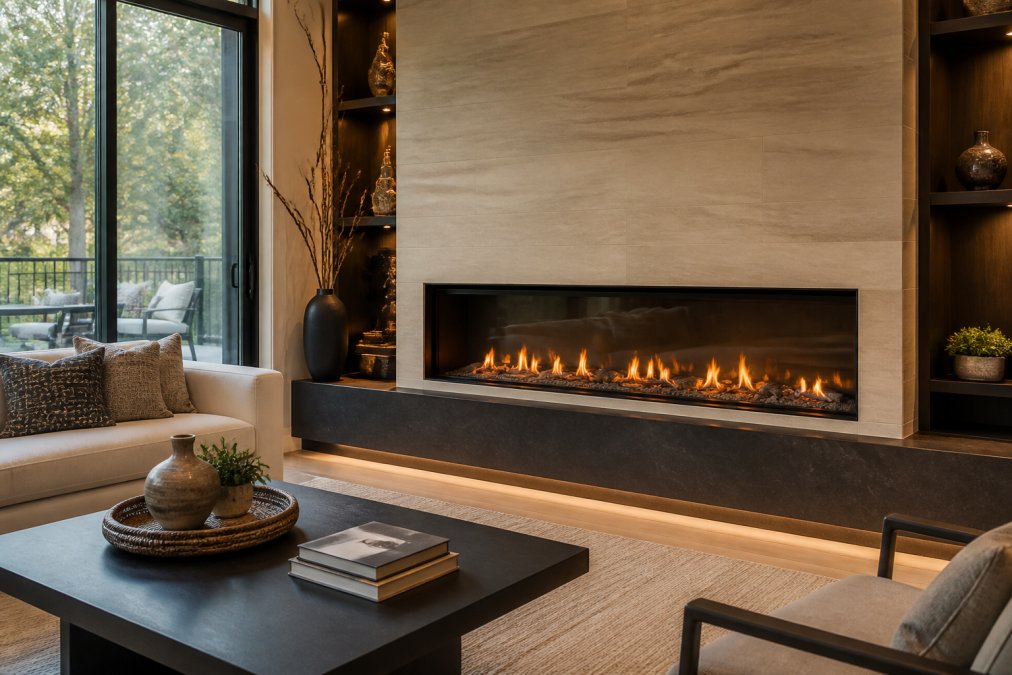
A marble surround on a contemporary linear fireplace communicates a level of craftsmanship that elevates the entire room. Stonework, particularly when it extends floor to ceiling, creates architectural presence that becomes the defining feature of a living space. Aesthetic appeal at this level is not just decorative. It directly influences how buyers price a home in their minds before the formal appraisal ever happens.
The practical advice: avoid trendy materials that date quickly. Neutral stonework and classic marble have demonstrated staying power across multiple design cycles.
Smart Home Integration and Contemporary Linear Designs
Contemporary linear fireplaces are the dominant design trend in the premium segment, and for good reason. The horizontal format suits modern architecture, works with low-profile furniture arrangements, and integrates naturally with smart home systems.
Smart home integration is the angle most guides miss entirely. A fireplace controllable via smartphone app or voice assistant adds a technology dimension that resonates with a growing segment of buyers. The Superior Fireplaces 45-Inch Contemporary Linear Direct Vent Fireplace at $4,199.97 represents the intersection of clean design and practical functionality, with a direct vent system that suits modern open-plan living rooms.
The staging and visual ROI of a linear fireplace is also worth noting explicitly. A well-placed linear unit serves as the room's anchor, organizing furniture arrangement and creating a natural gathering point. Real estate photography that features a contemporary linear fireplace consistently produces stronger engagement than equivalent rooms without one.
Fireplace Types Compared: Value, Cost, and Lifestyle Fit
The question of what type of fireplace adds the most value cannot be answered without accounting for lifestyle fit. A fireplace that the owner never uses, or that creates ongoing maintenance friction, will not be maintained well and will not show well at resale.
Fireplace Type |
Resale Value Impact |
Installation Complexity |
Maintenance Level |
Best For |
|---|---|---|---|---|
Gas (built-in, direct vent) |
High |
Moderate |
Low |
Most homeowners, maximum ROI |
Gas insert (retrofit) |
High |
Low-Moderate |
Low |
Updating existing fireboxes |
Wood-burning |
Moderate-High |
High |
High |
Cold climates, traditional homes |
Electric |
Low-Moderate |
Very Low |
Minimal |
Condos, rentals, small spaces |
Pellet stove |
Moderate |
Moderate |
Moderate |
Rural, off-grid, or eco-conscious buyers |
Gas installations, particularly built-in direct-vent models and gas inserts, deliver the most consistent return across the broadest range of markets. Wood-burning units remain valuable in specific contexts. Electric fireplaces serve a real purpose but should not be expected to move an appraisal figure.
Outdoor Fireplaces and Fire Pits: Underrated Value Drivers
Outdoor fireplaces and fire pits represent one of the most underappreciated value additions in residential real estate. Buyers who entertain, who have families, or who want to extend their usable outdoor living season respond strongly to a well-designed outdoor fire feature.
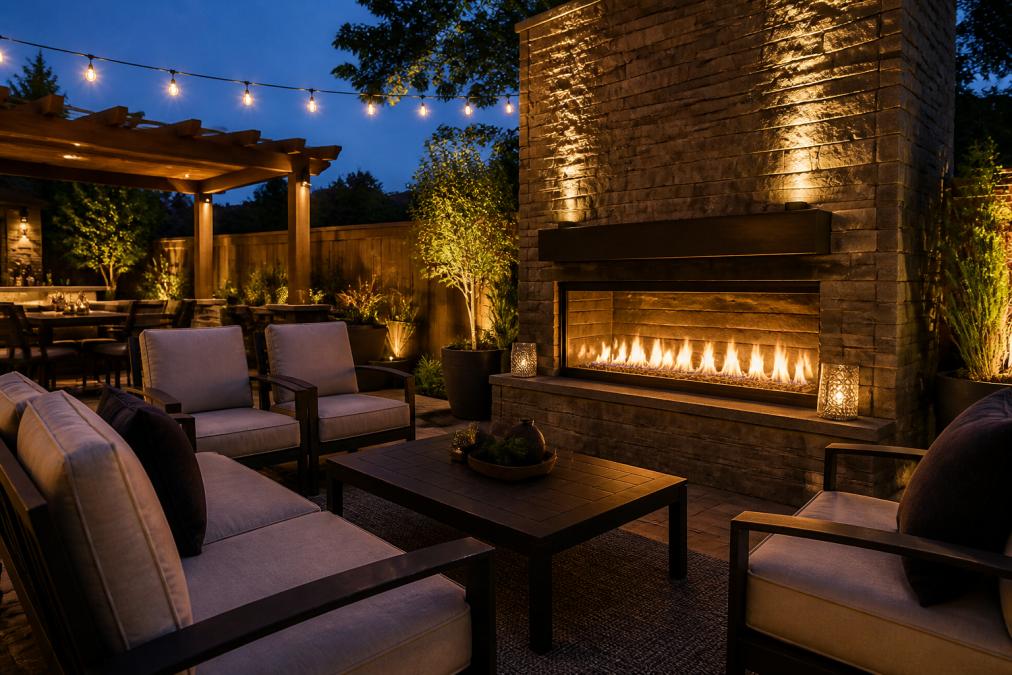
The outdoor living category has grown substantially as homeowners invest in their patios and backyards as genuine extensions of their living space. An outdoor fireplace transforms a patio from a seasonal amenity into a year-round gathering space, which adds measurable square footage in terms of usable living area, even if that footage is not enclosed.
The Outdoor Gas Fireplace Galaxy 62 at $6,149.97 exemplifies the premium end of this category. A statement outdoor fireplace of this caliber creates a cohesive luxury aesthetic when paired with quality patio furniture and coordinated accessories, producing exactly the kind of lifestyle imagery that drives buyer desire. The visual ROI of a well-staged outdoor fire feature is immediate and significant.
According to the American Society of Landscape Architects residential trends survey, outdoor fire features consistently rank among the top requested elements in residential landscape design. That demand translates directly into buyer appeal at resale.
Insurance, Safety, and Regional Factors That Affect ROI
Most fireplace guides stop at aesthetics and installation cost. The insurance and regional dimensions are where the real nuance lives.
Insurance implications are often overlooked until they become a problem. Wood-burning fireplaces, in particular, can trigger higher homeowner's insurance premiums or additional inspection requirements. Some insurers require documented annual chimney inspections before issuing or renewing coverage. Gas fireplaces, particularly direct-vent models with sealed combustion systems, are generally viewed more favorably by underwriters. Before installing any fireplace type, it is worth contacting your insurer to understand how it affects your policy.
Regional climate impact is the other variable that most national guides flatten into a single recommendation. A gas fireplace in Minnesota delivers genuine utility value: homeowners use it regularly for zonal heating, and buyers in cold climates actively seek it. The same installation in South Florida carries far less functional weight, though it may still contribute to aesthetic appeal and lifestyle perception.
The practical rule: in climates where heating season exceeds five months, fireplace installations command stronger returns because buyers can clearly envision using them. In warmer markets, the return is more dependent on design quality and how well the fireplace functions as a visual focal point.
Fire safety and code compliance also vary by jurisdiction. The International Residential Code fireplace and chimney requirements establishes minimum standards, but local amendments frequently add requirements. Compliance is not optional, and non-compliant installations can become a significant liability during a home sale.
Staging and visual ROI deserve a final mention here. A fireplace that is clean, well-maintained, and properly staged adds value that extends beyond what an appraiser can formally quantify. Buyers make emotional decisions first and rational decisions second. A fireplace that looks beautiful and inviting in listing photographs and during showings can meaningfully compress time on market, which is its own form of financial return.
Choosing the right fireplace is one of the most impactful decisions you can make for your home's long-term value and livability. Zen Home Fireplaces offers a curated collection of gas, electric, and outdoor fire features designed with exactly this in mind: clean lines, premium materials, and exceptional craftsmanship that holds up to both daily use and buyer scrutiny. Whether you're considering a contemporary linear gas fireplace for your living room or a statement outdoor unit for your patio, explore the Zen Home Fireplaces collection to find the installation that delivers the strongest return on your investment.
Frequently Asked Questions
What kind of fireplace is best for resale value?
Gas fireplaces consistently score highest for resale value. Buyers prefer them for their convenience, low maintenance, and zonal heating benefits. A direct vent gas fireplace with premium materials like marble or granite surround adds the strongest combination of aesthetic appeal and practical function. Wood-burning fireplaces appeal to a niche audience, while electric models offer flexibility but typically contribute less to a formal home appraisal.
Are gas fireplaces better for home value than wood-burning ones?
In most markets, yes. Gas fireplaces require no chimney cleaning, produce no ash, and meet stricter air quality regulations in many states. They also appeal to a broader pool of buyers who prioritize convenience. Wood-burning fireplaces carry strong emotional appeal but come with higher maintenance requirements, potential insurance cost increases, and regional restrictions that can limit buyer interest during a sale.
Do electric fireplaces increase home value?
Electric fireplaces rarely show up as a line item in a formal home appraisal. However, they add staging value, lifestyle appeal, and can make a space feel more complete to buyers touring the home. For condos and apartments where gas and wood options aren't viable, a well-designed electric fireplace can meaningfully improve buyer perception and support a stronger asking price, even if the ROI is harder to quantify.
Does a fireplace make your home insurance go up?
It can, depending on the type. Wood-burning fireplaces typically trigger higher premiums because of increased fire risk and the need for regular chimney inspections. Gas fireplaces may have a smaller impact on premiums, especially direct vent models with sealed combustion. Electric fireplaces generally have the least effect on insurance costs. Always disclose any new fireplace installation to your insurer and confirm compliance with local building codes.
This article was written using GrandRanker