


Ventless Gas Fireplace Safety 2026: Key Requirements
Table of Contents
- Ventless Gas Fireplace Safety: The 2026 Regulatory Landscape
- How the Ventless Gas Fireplace Oxygen Depletion Sensor Protects You
- Ventless Gas Fireplace Installation Codes: What Your Contractor Must Follow
- Indoor Air Quality: Emissions, Humidity, and Room Volume
- Direct Vent vs. Ventless: Which Meets Your Space Requirements?
- Your Professional Ventless Fireplace Maintenance Checklist
- Common Mistakes and Troubleshooting ODS Malfunctions
- Conclusion: Safe Supplemental Heat for Your Modern Home
- Frequently Asked Questions
Last Updated: September 6, 2026
Ventless Gas Fireplace Safety: The 2026 Regulatory Landscape
The conversation around ventless gas fireplace safety has shifted dramatically heading into 2026, driven by stricter building codes and a focus on indoor air quality in tightly sealed homes. This guide breaks down the standards, sensor technologies, and maintenance protocols that define safe operation this year.
The core of modern regulation centers on the ANSI Z21.11.2 standard, which governs unvented room heaters and mandates an oxygen depletion sensor as a non-negotiable safety component. Installation requirements vary by state and county, so verify that a unit meets the specific expectations for your zip code, not just the federal baseline.
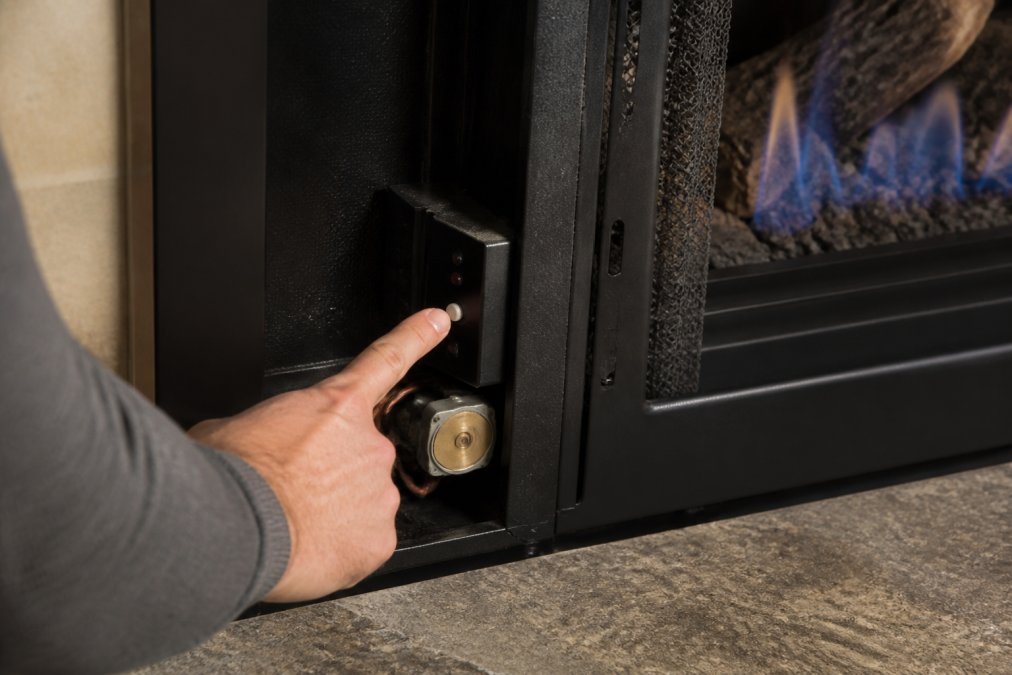
How the Ventless Gas Fireplace Oxygen Depletion Sensor Protects You
The ventless gas fireplace oxygen depletion sensor is the single most critical safety feature in your unit, acting as an automatic sentinel that monitors the air in your room. When oxygen falls to a predetermined threshold, it triggers a safety shut-off that extinguishes the pilot light and stops the gas flow.
This mechanism directly prevents the production of carbon monoxide and nitrogen dioxide, hazardous byproducts that accumulate when a burner is starved of oxygen. As oxygen levels decrease, the sensor's small flame lifts away from the thermocouple, cooling it and causing the gas valve to close.
Ventless Gas Fireplace Installation Codes: What Your Contractor Must Follow
Ventless gas fireplace installation codes are strict, starting with a fundamental rule: the unit must be installed by a licensed professional who understands local building codes. Most municipalities now require a permit and final inspection to verify proper sizing for room volume and clearance from combustible materials.
A licensed professional will confirm that your room meets the minimum volume requirements for the BTU output of the unit you have selected. The general rule is that you need one cubic foot of space for every 1,000 BTUs, but this varies by manufacturer specifications. The installer must also verify that there is adequate ventilation, which often means confirming that the room has a door that can be opened to the rest of the house or a window that can be cracked. According to the U.S. Consumer Product Safety Commission's guidance on unvented gas appliances, proper installation is the first line of defense against hazardous emissions and moisture accumulation.
The 2026 State-by-State Compliance Patchwork
2026 is not a single regulatory moment, it is a patchwork of state-level actions that have accelerated over the past two years. While ANSI Z21.11.2 remains the federal baseline, several states have moved to restrict or ban ventless units outright.
What Your Contractor Must Document in 2026
Beyond the traditional clearance and BTU calculations, contractors in most jurisdictions now must provide the following documentation at final inspection:
- Manufacturer's installation manual with the specific model's room-volume chart highlighted.
- A certificate of compliance signed by the installing technician, confirming the oxygen depletion sensor was tested in place.
- A humidity and air-exchange assessment for the room, particularly if the home was built after 2015 or has undergone an energy retrofit that included air sealing.
- Proof of local permit, this is non-negotiable in nearly every jurisdiction that allows ventless units.
The Air-Sealed Home Problem
One of the most significant 2026 code changes relates to homes built or renovated to modern air-sealing standards. The traditional room-volume calculation assumes some natural air infiltration, but a home with a blower-door test result below 3 ACH50 does not behave like a traditional home.
If you live in a home with spray foam insulation, triple-pane windows, or a continuous air barrier, treat the ventless fireplace decision with extra caution. The oxygen depletion sensor will still function, but the moisture and trace emissions will have nowhere to go, leading to condensation issues and potential indoor air quality problems that the sensor was never designed to detect.
Indoor Air Quality: Emissions, Humidity, and Room Volume
The most common concern is whether a ventless unit will degrade indoor air quality. While modern units burn cleanly, they still produce moisture and trace combustion byproducts that must be managed. ANSI Z21.11.2 caps emissions at levels safe for continuous exposure, but assumes the unit is a supplemental heater, not a primary heat source running all day.
A ventless fireplace can release up to a gallon of moisture into the air for every 100,000 BTUs burned, leading to condensation and potential mold growth in tightly sealed homes. Monitor your home's humidity and run a dehumidifier if you notice persistent condensation.
Direct Vent vs. Ventless: Which Meets Your Space Requirements?
Choosing between direct vent and ventless comes down to your home's construction and tolerance for maintenance. A direct vent fireplace draws combustion air from outside and exhausts byproducts back outside, making it safest for bedrooms and tightly sealed homes. A ventless unit offers 99% thermal efficiency but requires more careful attention to room volume and air exchange rates.
For a primary living space where you entertain or spend hours each evening, a direct vent unit is often the wiser investment. The Environmental Protection Agency's guidance on wood-burning and gas fireplaces notes that vented options eliminate the moisture and indoor air quality concerns entirely. However, for a supplemental heat source in a large, open-concept great room, a ventless unit can be an excellent choice, provided you adhere to the manufacturer's specifications for room size and operating duration.

| Feature | Direct Vent | Ventless |
|---|---|---|
| Venting Configuration | Requires exterior wall/chimney | None required |
| Thermal Efficiency | Up to 85% | Up to 99% |
| Indoor Air Impact | No byproducts indoors | Adds moisture, trace emissions |
| Installation Cost | Higher (venting labor) | Lower |
| Best For | Primary heat, bedrooms | Supplemental heat, large rooms |
Your Professional Ventless Fireplace Maintenance Checklist
Owning a ventless fireplace means committing to an annual inspection, not just a casual wipe-down. A professional checklist should include verifying the oxygen depletion sensor, cleaning burner ports to prevent sooting, and inspecting ceramic logs for carbon deposits indicating incomplete combustion.
Between professional visits, perform simple checks yourself. A healthy ventless flame should be blue at the base with yellow tips. If the flame is consistently yellow or orange, the burner is not getting enough oxygen and should be serviced immediately. Also check for discoloration on walls or ceilings, which can signal excess heat production.
Common Mistakes and Troubleshooting ODS Malfunctions
Even with proper maintenance, you may encounter ODS issues. A common mistake is allowing dust and pet hair to accumulate on the sensor, insulating it and preventing accurate oxygen readings. If your fireplace shuts off unexpectedly, first clean the sensor with a soft brush and compressed air, then relight the pilot.
Another frequent issue is a faulty thermocouple that fails to keep the gas valve open. If the pilot light will not stay lit, the thermocouple may need replacement, a job best left to a licensed professional. Do not adjust the sensor's sensitivity, as it is factory-calibrated to meet ANSI Z21.11.2.
How to Diagnose a Failing ODS Before It Fails You
Most homeowners never test their ODS until the unit shuts off unexpectedly, by then, the sensor may have been underperforming for weeks.
The Smart Home Secondary Layer
Most safety guides stop at the ODS, but the 2026 reality is that the ODS is a single-point-of-failure device. If it malfunctions, you have no warning until the unit shuts off, or worse, if it fails in the 'open' position, it may never shut off.
A Wi-Fi-enabled carbon monoxide detector within 10 feet of the unit provides a secondary monitoring layer independent of the fireplace's electronics. Some brands offer real-time smartphone alerts.
For nitrogen dioxide, the other combustion byproduct of concern, you can install a low-cost indoor air quality monitor that tracks NO2 levels specifically. Most consumer-grade monitors do not measure NO2 directly, so look for units that list it as a separate sensor channel rather than bundling it into a 'VOC' reading. The Environmental Protection Agency's indoor air quality guidance notes that NO2 exposure above 100 parts per billion over a one-hour period can trigger respiratory symptoms in sensitive individuals.
The Most Common Mistake: Ignoring the 'Sooting' Sign
One of the most overlooked failure modes is sooting, black carbon deposits on the ceramic logs or burner surface. Sooting indicates incomplete combustion, meaning the unit is producing elevated carbon monoxide and nitrogen dioxide.
If you notice sooting, do not simply wipe it off and continue using the unit. Sooting signals a wrong gas-to-air mixture, clogged burner ports, or damaged unit. Shut the fireplace down and schedule a professional service call before relighting.
When to Call a Professional vs. DIY
You can safely handle these tasks yourself: cleaning the ODS opening with compressed air, vacuuming the burner area, and checking the pilot flame appearance. Always call a licensed professional for thermocouple replacement, gas valve adjustment, burner orifice cleaning, or any work requiring disassembly of the gas train.
Conclusion: Safe Supplemental Heat for Your Modern Home
Navigating ventless gas fireplace safety requirements in 2026 requires diligence, but the reward is a warm, inviting space without the complexity of a chimney. Install the correct BTU output for your room, never bypass the oxygen depletion sensor, and commit to an annual professional inspection. For homeowners who prefer to eliminate indoor air quality concerns entirely, Zen Home Fireplaces offers a curated selection of direct vent models and ventless bio-ethanol fire features.

Frequently Asked Questions
How long can you safely run a ventless gas fireplace?
Manufacturer specifications typically recommend limiting operation to 3 to 4 hours at a time. This prevents moisture accumulation and keeps indoor air quality within acceptable limits. Always follow the specific manual for your unit. If you are using the fireplace as a primary heat source for extended periods, a direct vent model is the safer choice. The oxygen depletion sensor is designed to shut off the unit automatically if oxygen levels drop, but it does not replace sensible usage limits.
What states or local jurisdictions ban ventless gas fireplaces?
Some states and local jurisdictions have bans or restrictions on ventless gas fireplaces, particularly in certain applications like bedrooms or high-altitude areas. Local building codes can be stricter than state rules, so check with your local authority before purchasing. Since regulations are changing, confirm the current status for your area in 2026 before proceeding with an installation.
Where do the combustion byproducts go in a ventless gas fireplace?
They remain in the room. A ventless unit is engineered to burn gas efficiently enough that carbon monoxide and nitrogen dioxide levels stay within safe limits set by ANSI Z21.11.2 standards. However, the unit still releases moisture and small amounts of byproducts into your living space. This is why room volume requirements and proper ventilation are critical, and why these fireplaces are intended for supplemental heating, not continuous operation.
What is the mandatory oxygen depletion sensor and how does it work?
An oxygen depletion sensor (ODS) is a required safety device on all ventless gas fireplaces. It continuously monitors the oxygen level in the room. If the oxygen percentage drops below 18 percent, which is lower than the normal 20.9 percent in air, the sensor triggers a safety shut-off that stops the gas flow and extinguishes the flame. This prevents the production of hazardous carbon monoxide. Have your ODS tested during annual professional inspections.
How often should a ventless gas fireplace be professionally inspected?
A licensed professional should inspect your ventless gas fireplace at least once a year. The inspection covers the oxygen depletion sensor, burner assembly, gas connections, and flame characteristics. This annual service is part of a professional ventless fireplace maintenance checklist and is essential for safe operation. Between professional visits, wipe down the unit and check for dust buildup, which can affect burner performance.
Can I use a ventless gas fireplace in a bedroom or bathroom?
Most manufacturer instructions and building codes prohibit installation in bedrooms and bathrooms. The confined space increases the risk of oxygen depletion and moisture problems. Air-sealed homes and small rooms may not meet the minimum room volume requirements. A direct vent unit is the appropriate choice for these spaces because it draws combustion air from outside and vents all byproducts outdoors.
Get started with Zen Home Fireplaces and transform your living space with a heating solution that meets the highest safety standards of 2026.


