Why Choose Professional Fireplace Installation in 2026
Table of Contents
- The Real Cost of Skipping Professional Fireplace Installation
- Fireplace Installation Safety Standards 2026: What Changed
- Are Electric Fireplace Inserts Worth It for Heating?
- The Benefits of Professional In-Home Fireplace Estimates
- Insurance and Liability: What DIY Installation Puts at Risk
- A Post-Installation Inspection Checklist for Homeowners
- Conclusion: Protect Your Home, Your Investment, and Your Peace of Mind
- Frequently Asked Questions
Last Updated: September 9, 2026
Choosing to hire a professional for your fireplace installation is a decision that protects both your property value and your family's safety, and in 2026, the stakes are higher than ever. While the upfront savings of a DIY approach can be tempting, the hidden costs of improper venting, code violations, and fire hazards far outweigh the initial price tag. At Zen Home Fireplaces, we understand how a certified installation transforms a house into a safe, warm sanctuary, which is why we break down exactly what professional fireplace installation involves this year. Below, we’ll show you how to protect your investment with the right expertise, from understanding new safety standards to knowing what your insurance actually requires.
The Real Cost of Skipping Professional Fireplace Installation
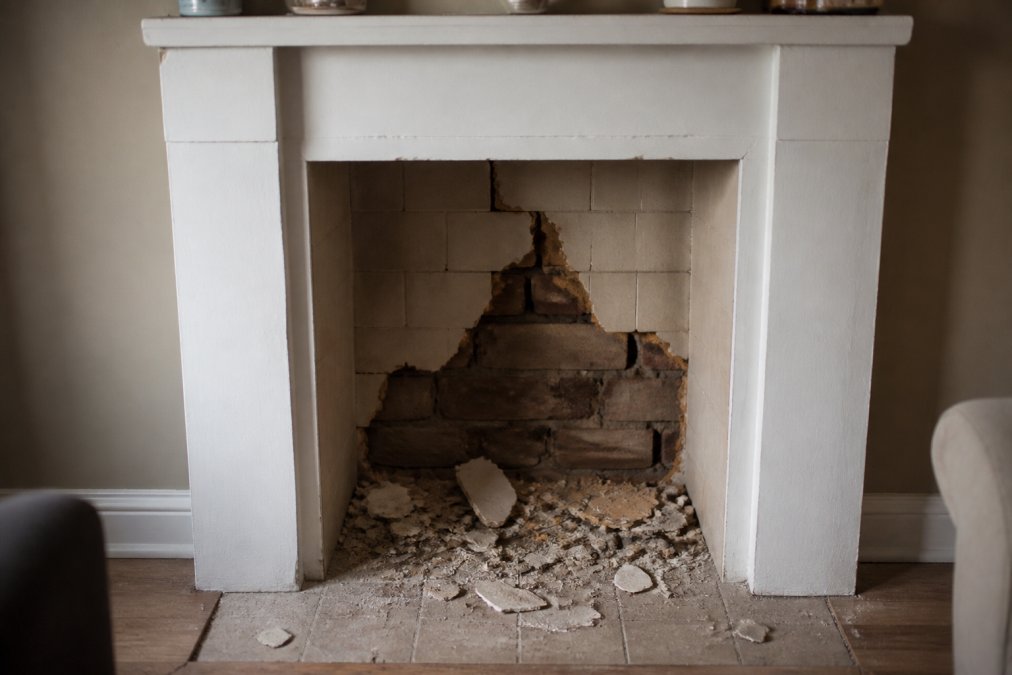
The most overlooked financial risk of a DIY fireplace installation isn't the cost of fixing a mistake, it's the quiet revocation of your homeowners' insurance coverage. Standard homeowners' policies, such as those written on the ISO HO-3 form, contain exclusions for damage caused by "faulty, inadequate, or defective" workmanship and maintenance (iii.org). This is a broad exclusion that insurance adjusters frequently apply to deny claims involving fireplaces. If a fire originates in a fireplace that was installed without a permit or by an unlicensed individual, the insurer can legally deny the entire claim, leaving you responsible for the structure's total loss, a cost that often exceeds $300,000 for a typical single-family home.
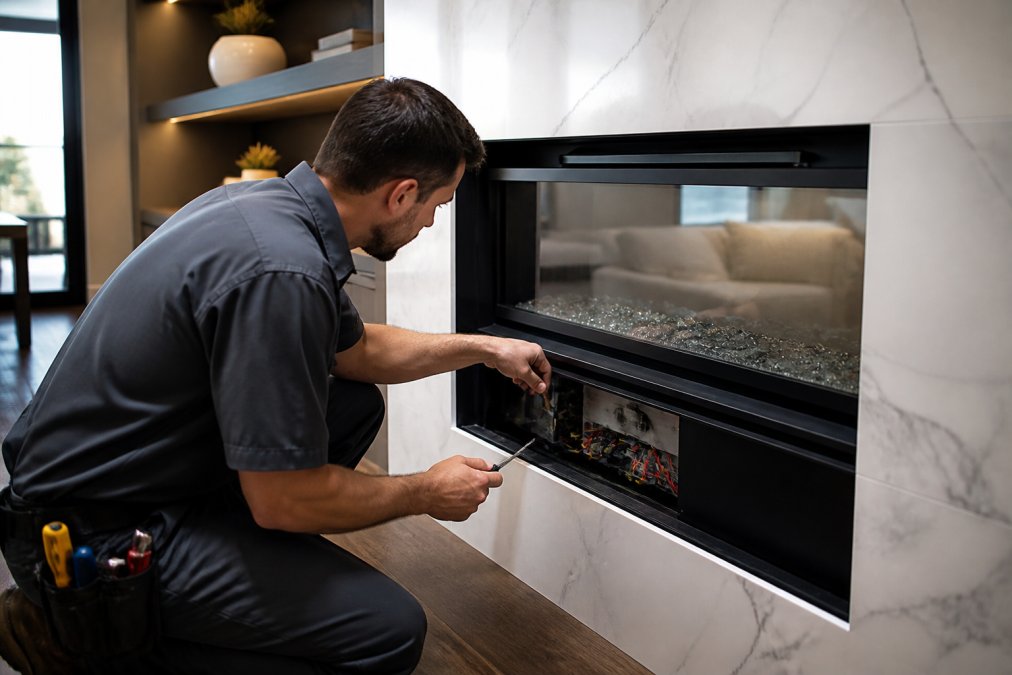
Beyond the policy exclusion, there is the issue of the "ensuing loss" clause. While some policies provide coverage for water or fire damage that ensues from a faulty installation, they do not cover the faulty work itself. For example, if your DIY gas line connection leaks and causes a small fire that damages the floor, the insurer might pay for the fire damage but will explicitly deny coverage for the cost of repairing the gas line or the fireplace unit. You are left with a partially paid claim and a massive out-of-pocket bill to fix the root cause. A professional installer provides a certificate of insurance and a workmanship warranty, which creates a clear chain of liability. If their work fails, their commercial liability policy covers the damage, not your personal homeowners' policy.
The second hidden cost is the immediate voiding of the manufacturer's warranty. Nearly every major fireplace manufacturer stipulates in their warranty terms that installation must be performed by a "qualified installer" or a "certified professional." This is not vague language; it means an individual who is trained and authorized by the manufacturer to install their specific products. A DIY installation voids the warranty on day one. This is particularly painful for high-end gas units where the burner assembly, ceramic glass, and electronic ignition modules are expensive to replace. A single igniter replacement can cost $400 to $700, and a cracked ceramic glass panel can run over $1,000. Without a warranty, you are paying retail for every single part failure.
A less obvious but equally significant cost is the impact on your property's resale value. When you sell your home, the buyer's home inspector will look for the permit sticker on the electrical panel or the gas line. If they find a fireplace with no permit history, they will flag it as a "non-permitted modification." This gives the buyer leverage to demand a price reduction of $5,000 to $10,000 to cover the cost of a retroactive inspection and potential remediation. In a competitive market, it can also kill the deal entirely, forcing you to either remove the fireplace or pay a professional to bring it up to code after the fact, a cost that is always higher than doing it right the first time. The DIY "savings" of $1,500 on installation can easily turn into a $15,000 liability at the closing table.
Fireplace Installation Safety Standards 2026: What Changed
Fireplace installation safety standards for 2026 have introduced stricter clearance requirements and emissions standards that specifically target older DIY methods. Recent updates to the International Residential Code and local building codes emphasize tighter integration with home ventilation systems to prevent carbon monoxide back-drafting. For gas units, compliance certification now requires proof of combustion efficiency that only manufacturer-trained technicians can document properly.
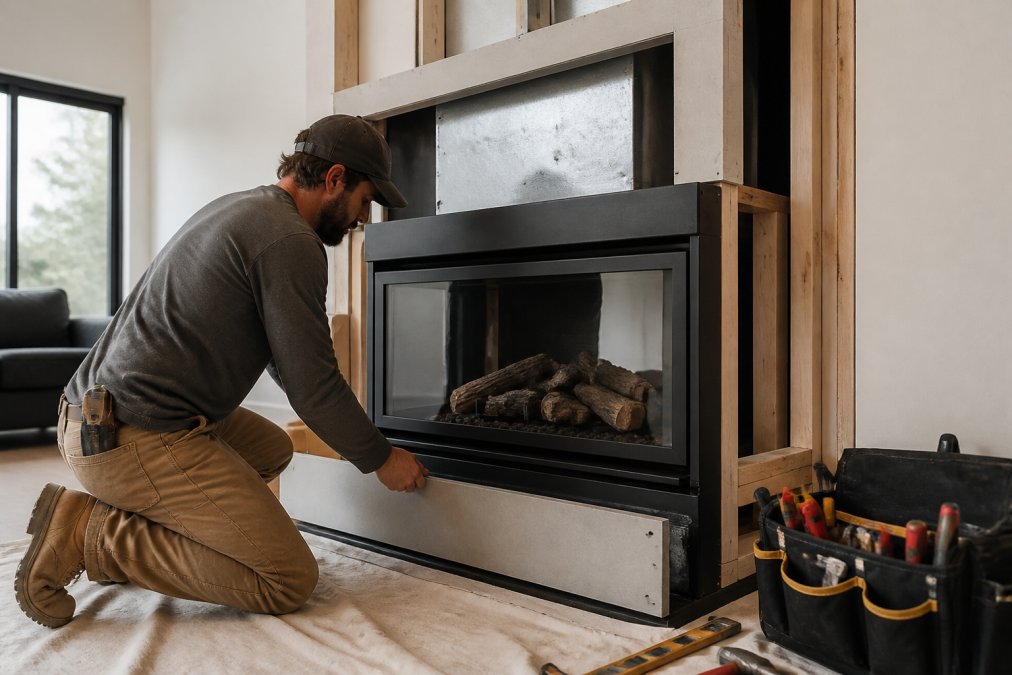
These changes mean that "good enough" is no longer a valid benchmark. The new regulations focus heavily on clearances to combustible materials, which are often the root cause of house fires in living spaces. Professional craftsmanship is essential here because a certified installer understands how to navigate these complex rules without compromising the hearth design or aesthetics of your room.
Are Electric Fireplace Inserts Worth It for Heating?
Electric fireplace inserts are absolutely worth it for heating when you prioritize zone heating and energy efficiency over whole-home warmth. Unlike wood or gas, an electric insert like the Dimplex Ignite Ultra 50-inch converts nearly all its energy into heat, offering high efficiency without the need for a chimney or venting requirements. This makes professional installation simpler, but no less important, as incorrect wiring can lead to overheating and unit failure.

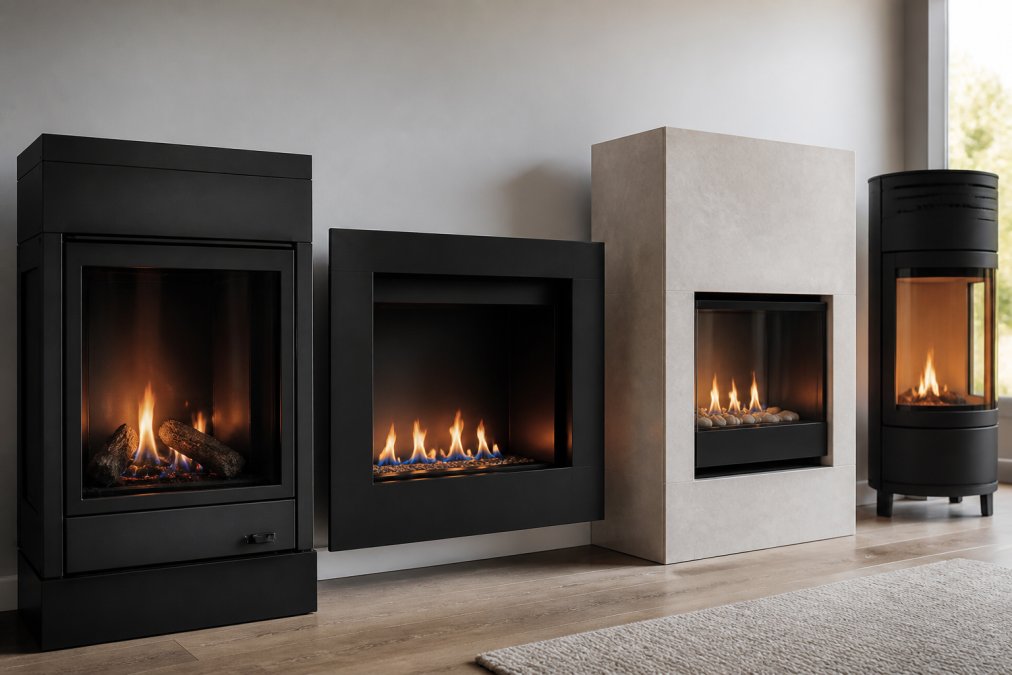
For condos and apartments, these inserts offer the ambiance of a fire without the gas line safety concerns. However, the real value of a professional fireplace installation for an electric unit lies in the flush, built-in finish that hides unsightly cords and creates that high-end, custom look. They are perfect for heating a single living space efficiently, but they won't replace your central HVAC system for an entire home. If you are weighing the installation scope, consider that electric models eliminate the annual upkeep of chimney maintenance, reducing your long-term labor rates and maintenance costs.
| Heating Option | Installation Scope | Best For | Maintenance |
|---|---|---|---|
| Electric Insert | Electrical connection, zero-clearance framing | Condos, zone heating, clean aesthetics | Minimal, annual dusting |
| Direct-Vent Gas | Gas line, coaxial venting through wall | Whole-room heat, luxury design | Annual inspection required |
| Wood-Burning | Full chimney or flue, structural work | Traditional ambiance, high heat output | Extensive, creosote removal |
The Benefits of Professional In-Home Fireplace Estimates
A professional in-home estimate is the only accurate way to determine the correct BTU output and physical size your space requires. Many homeowners overestimate their heating needs, leading to units that cycle on and off too frequently, wasting energy and increasing heating costs. During an estimate, a technician measures your room's volume, checks wall insulation, and assesses the existing electrical or gas infrastructure to recommend a unit that balances aesthetics with thermal performance.
This step is where a curated retailer excels. When you schedule an estimate, you aren't just getting a quote; you are getting a consultation that covers property aesthetics and placement. A professional will spot potential obstacles that a floor plan never reveals, such as stud placement or nearby HVAC integration points. This ensures the installation runs on schedule and prevents the "change order" fees that often inflate DIY projects.
Insurance and Liability: What DIY Installation Puts at Risk
Most standard homeowners' insurance policies explicitly exclude damage resulting from faulty workmanship or unpermitted installations. If a fire occurs due to a DIY gas line hookup, your claim could be denied, leaving you liable for the total loss of your property. Professional installation provides a clear chain of liability, ensuring that the work is covered by the contractor's insurance and meets the National Fire Protection Association standards.
Beyond the immediate fire risk, improper installation can lead to slow-burning structural damage that isn't covered under warranty. The manufacturer warranty on high-end units, such as the Empire Boulevard 72-inch gas fireplace, is contingent on professional installation. Without proof of certified installation, you forfeit coverage on expensive components like the ceramic glass and burner system. This is the hidden risk that most guides miss: the installation fee is effectively the price of your insurance policy.

A Post-Installation Inspection Checklist for Homeowners
Once the work is done, you need to verify the quality of the professional fireplace installation before you sign off. Start by checking the clearance requirements: there should be no combustible materials within the manufacturer-specified distance from the firebox. Next, look for the compliance certification sticker on the unit, which confirms the model meets 2026 emissions standards and local building codes.
You should also test the functionality of the ventilation system and ensure the gas line safety valve is accessible. If you have an electric model, check that the unit is on a dedicated circuit to prevent breaker trips. Finally, ask for the manufacturer warranty registration and the clean-burn documentation. For those looking to integrate with modern living, ask about connecting the fireplace to a smart home system for remote ignition and thermostat control. A reputable installer will walk you through these features, ensuring your new focal point is both beautiful and compliant.
Conclusion: Protect Your Home, Your Investment, and Your Peace of Mind
Installing a fireplace is a significant renovation that demands respect for building codes and safety protocols. The difference between a stunning centerpiece and a costly hazard lies in the expertise behind the installation. Choosing professional fireplace installation ensures your home retains its value, your family stays safe, and your warranty remains intact.
At Zen Home Fireplaces, we combine exceptional craftsmanship with curated modern designs from trusted brands to enhance your hearth area with style and safety. Our collection, from the efficient Dynasty Presto insert to the luxurious Empire Boulevard gas model, is designed for flawless integration. Explore our collection today and take the first step toward a warm, inviting sanctuary that is built to last.
Frequently Asked Questions
Do fireplaces need to be professionally installed?
Yes. Professional installation is required to meet fireplace installation safety standards 2026 and most manufacturer warranties. Incorrect installation is the leading cause of fireplace-related house fires. A certified technician ensures proper venting, gas line safety, and clearance requirements. Attempting a DIY install often voids the warranty and can fail inspection, costing more to fix than the installation itself.
Does professional installation affect my home insurance?
It does. Many insurers require proof of professional installation and a compliance certificate before they cover a new fireplace. If an unpermitted or DIY installation causes a fire, your claim may be denied. Professional installation documents the work meets current building codes, which protects your coverage and prevents your premium from rising due to liability issues.
Are electric fireplace inserts worth it for heating?
For supplemental zone heating, yes. A unit like the Dimplex Ignite Ultra 50" provides efficient heat for a single room without the venting or gas line costs of a traditional model. They are not designed to replace a central furnace. Consider the square footage you need to heat and the unit's BTU output to confirm it fits your space.
What is the 2 + 10 rule for fireplaces?
The 2+10 rule refers to NFPA clearance standards for chimney terminations. It requires a chimney to extend at least 2 feet above any roof structure within 10 feet horizontally. This prevents downdrafts and reduces fire hazard risks. A professional installer will verify these clearances during an in-home estimate to ensure your installation complies with local building codes.