Preventing Fireplace Overheating in Modern Homes
Table of Contents
- Understanding Heat Output and Thermal Regulation
- Fireplace Mantel Clearance Requirements and Safety Standards
- How to Protect TV Above Fireplace from Heat Damage
- Gas Fireplace Insert Heat Management Strategies
- Heat Deflectors, Mantels, and Insulation Solutions
- Smart Home Automation and Thermostat Integration
- Carbon Monoxide Safety and Fire Prevention Protocols
- Preventing Fireplace Overheating: Key Takeaways
Last Updated: August 29, 2026
Understanding Heat Output and Thermal Regulation
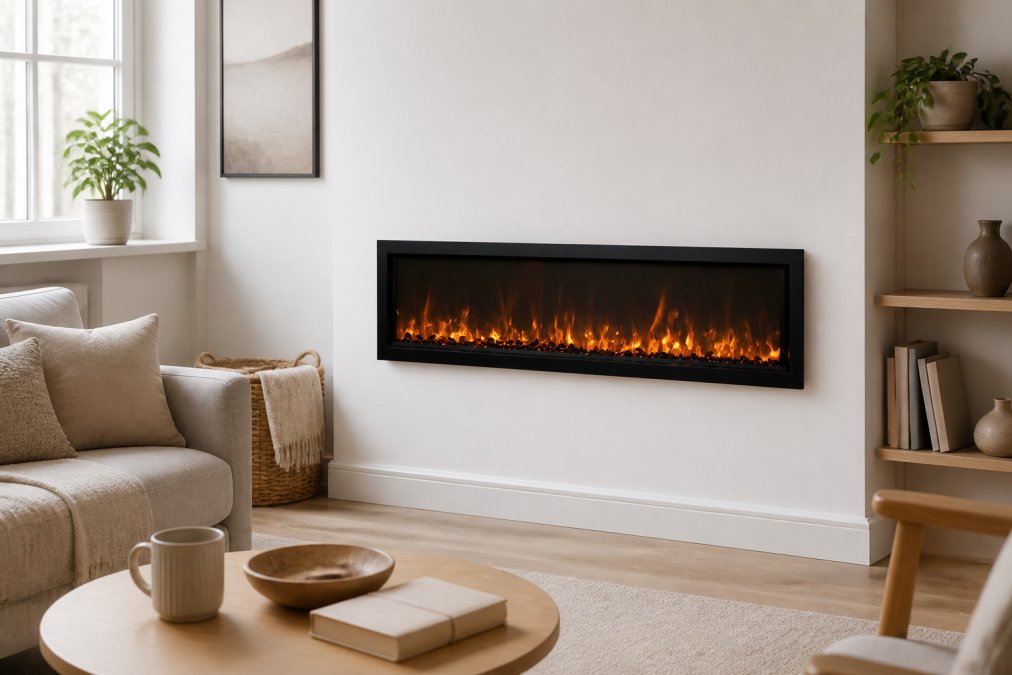
Modern homes are built tight with better insulation, creating a genuine problem: a fireplace that works beautifully in an older, drafty home can become a thermal hazard in a contemporary space. Heat output from gas fireplace inserts is measured in BTU (British Thermal Units), with typical gas inserts producing between 20,000 and 40,000 BTU per hour (nfpa.org). In a sealed room with limited airflow, this can push ambient temperature well beyond comfort and safety limits.
The real issue is thermal bridging: heat conducting through drywall, framing, and metal components that surround the firebox. A fireplace sitting flush against a wall transfers significant heat through that wall to whatever's on the other side. TVs, electronics, and finished wood all have temperature limits that, when exceeded, cause damage or malfunction.
Thermal regulation means measuring output accurately, understanding your space's heat dissipation capacity, and installing barriers that interrupt heat transfer without restricting necessary ventilation. At Zen Home Fireplaces, we help homeowners match fireplace size to room dimensions and can advise on proper thermal protection from the start.
Fireplace Mantel Clearance Requirements and Safety Standards
Building codes specify exact clearance distances from combustibles for good reason: they're written in the aftermath of preventable fires. The National Fire Protection Association (NFPA) and local building departments mandate a minimum 12-inch clearance from the top of the firebox opening to any combustible material directly above, with some jurisdictions requiring 18 inches (nfpa.org). Radiant heat from the firebox rises and intensifies near the opening, causing materials in that path to eventually char, crack, or ignite.
Clearance extends horizontally as well. Combustible materials on either side of the fireplace opening typically need 6-12 inches of clearance, depending on local codes. This protects walls, built-in shelving, and adjacent cabinetry from sustained heat exposure.
These clearances apply to finished surfaces, not the framing behind them. A decorative mantel shelf made of solid wood must sit 12 inches above the opening, though the drywall behind it can be closer with thermal protection like cement board or mineral wool insulation rated for high-temperature exposure.
Gas fireplace inserts often operate hotter than traditional masonry fireplaces because they concentrate heat in a smaller space, with flue temperatures exceeding 400 degrees Fahrenheit. This concentrated heat demands stricter adherence to clearance rules.
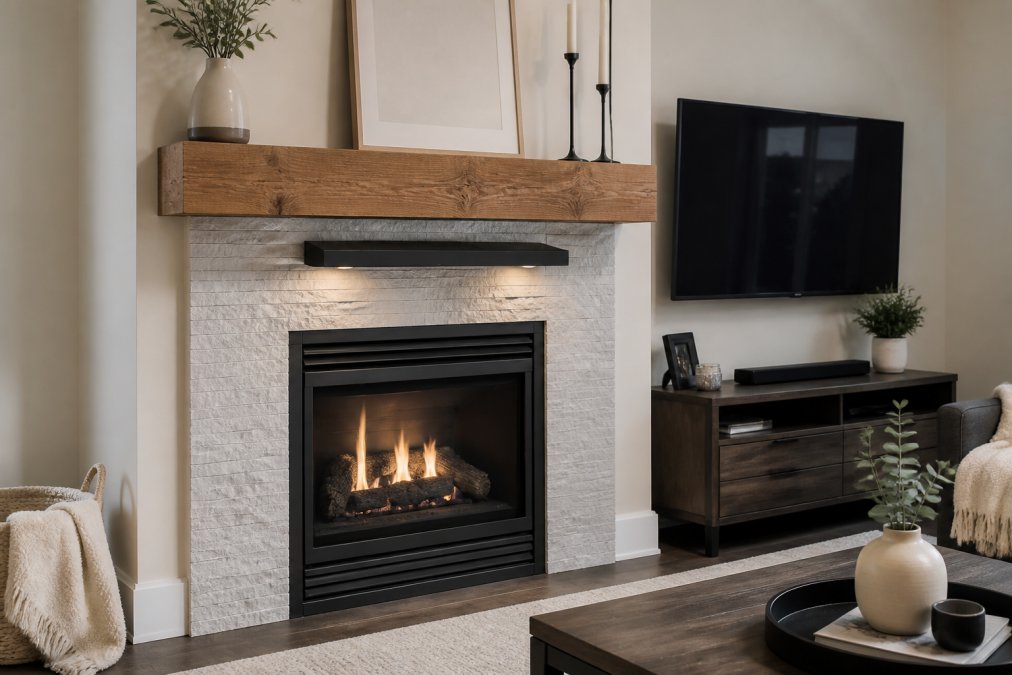
Check your local building code before installing or modifying a fireplace. Many jurisdictions have adopted the International Building Code (IBC), but amendments vary. A quick call to your local building department clarifies exact requirements for your space.
How to Protect TV Above Fireplace from Heat Damage
Mounting a TV above a fireplace is tempting but problematic. Modern flat-screen TVs operate safely between 32 and 104 degrees Fahrenheit, with internal electronics even more sensitive. Push ambient temperature above 113 degrees Fahrenheit around the TV and you risk permanent damage: dead pixels, backlight failure, and power supply degradation.
Gas fireplace inserts intensify this danger because concentrated, upward-directed heat creates sustained thermal stress on a TV mounted directly above. Even at moderate output, temperature around the TV can climb 30-40 degrees above room temperature.
Protecting a TV above a fireplace requires three layers of defense. First, install a heat deflector, a metal or ceramic shield mounted above the firebox opening that intercepts rising heat and redirects it away from the wall. A quality heat deflector reduces heat reaching the wall by 40-60 percent. Second, use a cool-touch glass front on the fireplace insert if possible. Third, mount the TV as high as practical, at least 18-24 inches above the mantel. Every inch of vertical distance reduces heat exposure exponentially.
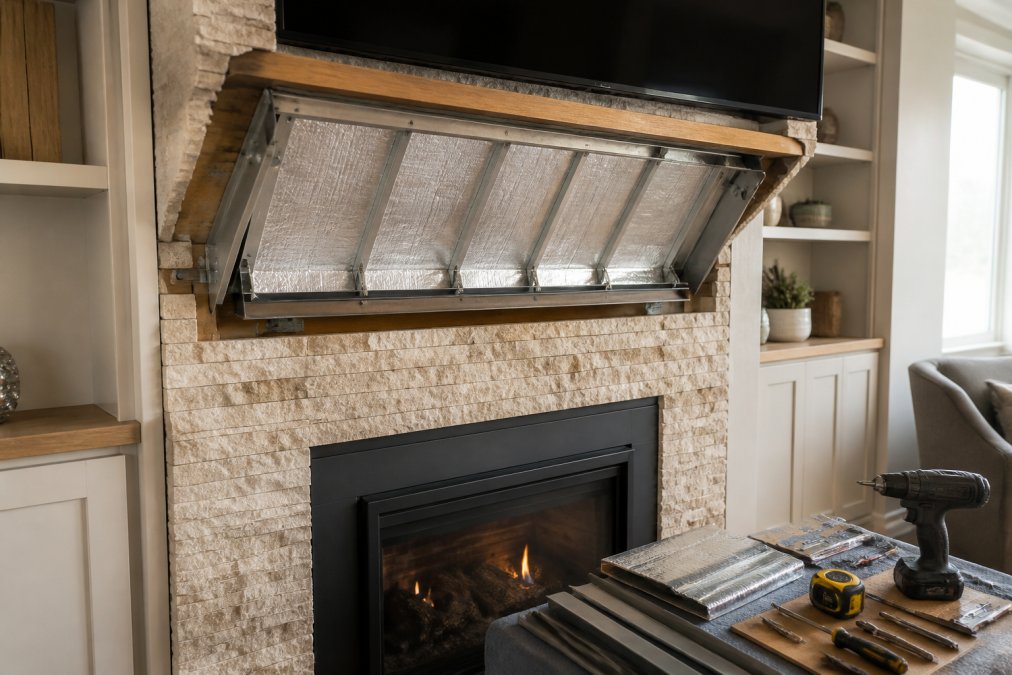
Some homeowners add a recessed niche or alcove above the fireplace to create additional air space, allowing heat to circulate around the TV mounting bracket rather than concentrating directly beneath it. The extra 4-6 inches of vertical space can reduce peak temperature by 15-20 degrees.
Consider an electric fireplace insert instead if TV placement is non-negotiable. Electric models produce minimal heat (750 to 1,500 watts), compared to gas inserts, with more even distribution that doesn't rise as aggressively. Zen Home Fireplaces offers electric fireplace inserts with adjustable heat settings and cool-touch exteriors, designed for spaces where electronics are nearby. The Fireplace TV Stand with 16-Color LED Lights combines safe heat management with integrated TV mounting and built-in thermal protection.


Gas Fireplace Insert Heat Management Strategies
Gas fireplace inserts are efficient heat producers, but efficiency without control becomes a liability. Most residential gas inserts operate in the 20,000 to 40,000 BTU range. A 30,000 BTU insert heating a 300-square-foot room will raise ambient temperature faster than the same insert in a 600-square-foot space. The relationship between BTU output and room size determines whether you're creating comfortable warmth or thermal stress.
Gas fireplace insert heat management starts with thermostat integration. Modern inserts often include built-in thermostats that cycle the burner on and off to maintain a target temperature, preventing continuous operation and overheating. Set your thermostat 2-3 degrees below your desired room temperature so the fireplace supplements your HVAC system rather than fighting it.
Damper adjustment is your second control point. The chimney damper regulates how much hot air escapes up the flue versus radiating into the room. A partially closed damper increases room heating but reduces ventilation efficiency; a wide-open damper pulls more heat up the chimney but ensures proper draft and prevents backdrafting. Test different damper positions and monitor room temperature to find the balance.
Airflow restriction is a common mistake. Blocking vents or sealing gaps around the fireplace reduces combustion air supply and can create dangerous carbon monoxide buildup. Gas fireplaces need fresh air to burn cleanly.
Smart thermostats can integrate with some modern gas inserts, allowing remote control and scheduling. You can set the fireplace to warm the room to a specific temperature before you arrive home, then automatically reduce output as the space heats.
Heat Deflectors, Mantels, and Insulation Solutions
Physical barriers are your most reliable defense against heat migration to sensitive areas. Heat deflectors, properly designed mantels, and thermal insulation work together to contain heat where you want it.
A heat deflector is a metal or ceramic panel mounted above the firebox opening, angled to redirect rising heat upward and away from the wall. Quality deflectors are made from stainless steel or powder-coated steel with a high-temperature ceramic coating, typically 24-36 inches wide and extending 4-8 inches above the opening.
The ideal position is 3-4 inches above the opening, angled at 45-60 degrees. At this distance, the deflector intercepts most rising heat while remaining cool enough to touch safely.
Mantel design influences heat management significantly. A deep mantel (12-18 inches from the wall) creates an air gap that allows heat to circulate around the back instead of concentrating on the wall surface, reducing heat transfer by 25-35 percent. Material matters too: wood conducts heat readily, while stone, tile, or composite materials with low thermal conductivity stay cooler. Some mantels are designed as hollow boxes with insulation inside.
Insulation around the firebox protects the structure behind the fireplace. Mineral wool, fiberglass, and ceramic fiber insulation rated for high-temperature exposure reduce heat transfer to adjacent walls and cavities. A 2-4 inch layer of mineral wool insulation behind the drywall surrounding a gas insert significantly reduces heat transfer, especially important in multi-story homes where heat can travel upward.
Hearth protection extends to the floor in front of the fireplace. Building codes require non-combustible hearth material (tile, stone, or concrete) extending 16-18 inches from the firebox opening, preventing floor damage and containing any embers or debris.
Smart Home Automation and Thermostat Integration
Modern fireplaces can operate as part of a unified heating system. Smart thermostats communicate with compatible gas inserts, monitoring room temperature and sending signals to adjust output automatically. This prevents the temperature swings that happen when a fireplace runs continuously or cycles unpredictably.
Geofencing allows your smart home system to begin warming the space 30 minutes before you arrive home. As the room reaches your target temperature, the fireplace automatically reduces output. When you leave, the system powers down the fireplace.
Temperature sensors placed strategically around your home give your smart system a complete picture of heat distribution. If the area near the fireplace climbs above a safety threshold (typically 115-120 degrees Fahrenheit), the system automatically reduces fireplace output or shuts it down entirely, preventing thermal runaway without manual intervention.
Some smart systems allow different temperature targets for different times of day. Integration with your HVAC system prevents conflicts: if your main heating system is already warming the home, the smart thermostat can disable the fireplace to avoid overheating.
The Electric Fireplace With LED Flame Options/Almera includes remote control and timer functionality, with 15 different temperature settings for fine-grained control over output.
Carbon Monoxide Safety and Fire Prevention Protocols
Heat management and safety are inseparable. A fireplace that's too hot is, by definition, unsafe.
Carbon monoxide is the hidden danger with gas fireplaces. Incomplete combustion produces CO, a colorless, odorless gas that accumulates in sealed spaces. Thermal runaway, when a fireplace overheats and combustion becomes inefficient, increases CO production. This is why ventilation and airflow restriction matter so much.
Install a carbon monoxide detector within 15 feet of any gas fireplace at breathing height (roughly 3-5 feet above the floor). If your detector sounds, evacuate immediately and call emergency services.
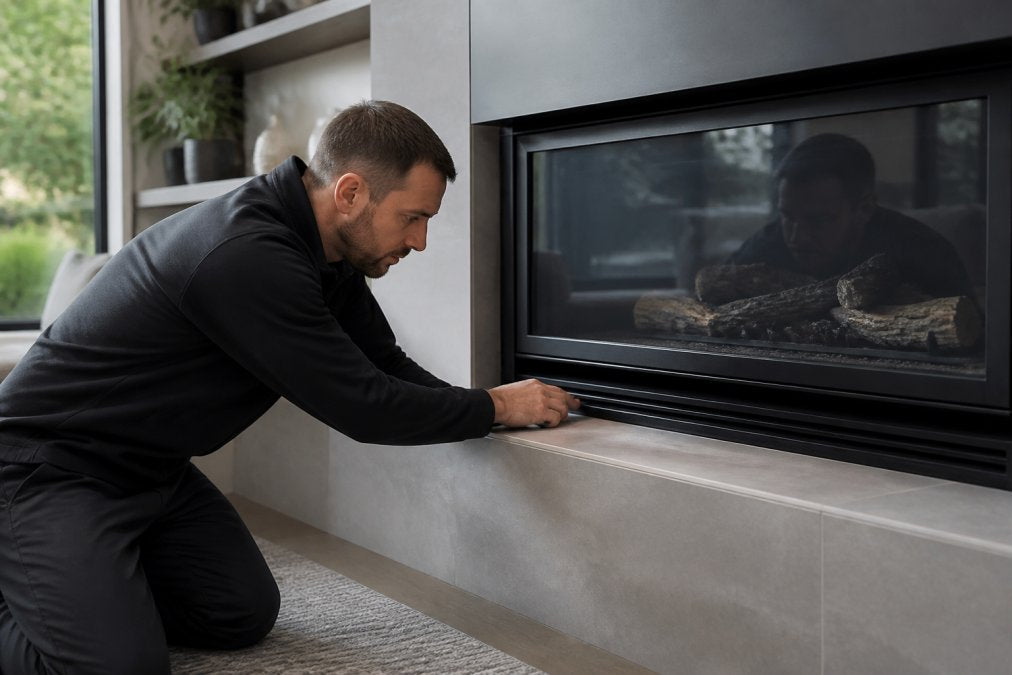
Chimney dampers prevent backdrafting, where combustion gases flow back into your home instead of up the flue. Check your damper annually and ensure it moves freely. Have your chimney inspected and cleaned by a certified professional every two years.
Keep flammable materials at least 3 feet away from the fireplace opening. Never leave a fireplace running unattended, especially overnight. Use a fireplace safety screen when the insert is operating.
Test your smoke detectors monthly and replace batteries twice yearly. Smoke detectors should be installed on every level of your home and in every bedroom. According to the National Fire Protection Association fire safety guidelines, fireplace-related fires account for a significant portion of home heating fires, many preventable through proper maintenance and clearance protocols. Have your gas fireplace inspected annually by a certified technician to check for gas leaks, combustion efficiency, and proper venting.
Preventing Fireplace Overheating: Key Takeaways
Preventing fireplace overheating in modern homes requires understanding how heat moves through your space and installing the right combination of controls and barriers.
Start with proper sizing. Match your fireplace's BTU output to your room's square footage. A 30,000 BTU insert is appropriate for a 300-400 square foot space; oversizing creates heat management problems from day one. Zen Home Fireplaces helps you select the right size based on your specific room dimensions and insulation level.
Install thermal protection: heat deflectors above the firebox, insulation around the firebox cavity, and a properly designed mantel that creates an air gap. These elements work together to reduce heat transfer to adjacent walls and overhead structures.
Integrate controls. Use a thermostat to cycle the fireplace on and off based on room temperature. Smart home automation prevents overheating automatically and coordinates with your main HVAC system.
Maintain clearances. Follow building code requirements for distance from combustibles. These rules exist because fires happen when they're ignored.
Prioritize safety. Install carbon monoxide and smoke detectors, have your fireplace inspected annually, and keep flammable materials at safe distances. Heat management and fire safety are the same conversation.
The Aurora - Electric Fireplace - LED Color Options offers a solution for homeowners who want the aesthetic of a fireplace without the thermal complexity of gas. With 15 temperature settings and a sleep timer, you maintain precise control over output and can prevent overheating entirely. The cool-touch exterior means the fireplace is safe to touch even during operation.

Frequently Asked Questions
Q: What is the 2 + 10 rule for fireplace clearances?
A: The 2 + 10 rule states that combustible materials must be at least 2 feet away from the sides of a fireplace opening and 10 feet away from the front. This applies to mantels, shelving, and any decorative elements. Some modern gas inserts have reduced clearance requirements due to cool-touch glass technology, but always verify your specific model's requirements in the manufacturer's documentation and local building codes.
Q: How can I prevent heat damage to electronics mounted above a fireplace?
A: Install a heat deflector shield above the firebox to redirect radiant heat away from the wall and mounted TV. Maintain at least 4-5 feet of vertical clearance between the fireplace opening and the TV. Use a temperature-monitoring device to track ambient temperature above the mantel. Consider electric fireplaces with lower heat output or gas inserts with cool-touch glass. The Fireplace TV Stand with 16-Color LED Lights includes overheat protection design specifically to safeguard electronics while maintaining aesthetic appeal.
Q: What should I do if my fireplace insert feels like it's overheating?
A: First, check that the damper is fully open to ensure proper chimney draft and ventilation efficiency. Verify that combustion air vents are not blocked. Reduce the BTU output setting if your model has adjustable temperature controls. Ensure adequate airflow around the insert by clearing any obstructions. If overheating persists, it is recommended to have a professional inspect for thermal bridging issues or improper installation. Modern electric fireplaces like the Almera offer 15 temperature settings to prevent thermal runaway and maintain safe ambient temperatures.
Q: Are there building codes I need to follow for fireplace clearance and heat protection?
A: Yes. The National Fire Protection Association (NFPA) publishes standards for fireplace installation and safety. Most jurisdictions require minimum clearances to combustibles, proper chimney draft, and carbon monoxide detection in homes with gas fireplaces. Check your local building department for specific requirements in your area, as codes vary by region. Professional installation is recommended to ensure compliance with all applicable safety standards and fire codes.
Preventing fireplace overheating protects your home, your electronics, and your family. The fireplaces at Zen Home Fireplaces are designed with thermal safety built in, from cool-touch glass fronts to integrated heat management features. Explore our collection to find a fireplace that delivers warmth without the worry of thermal damage or safety hazards.
This article was written using GrandRanker