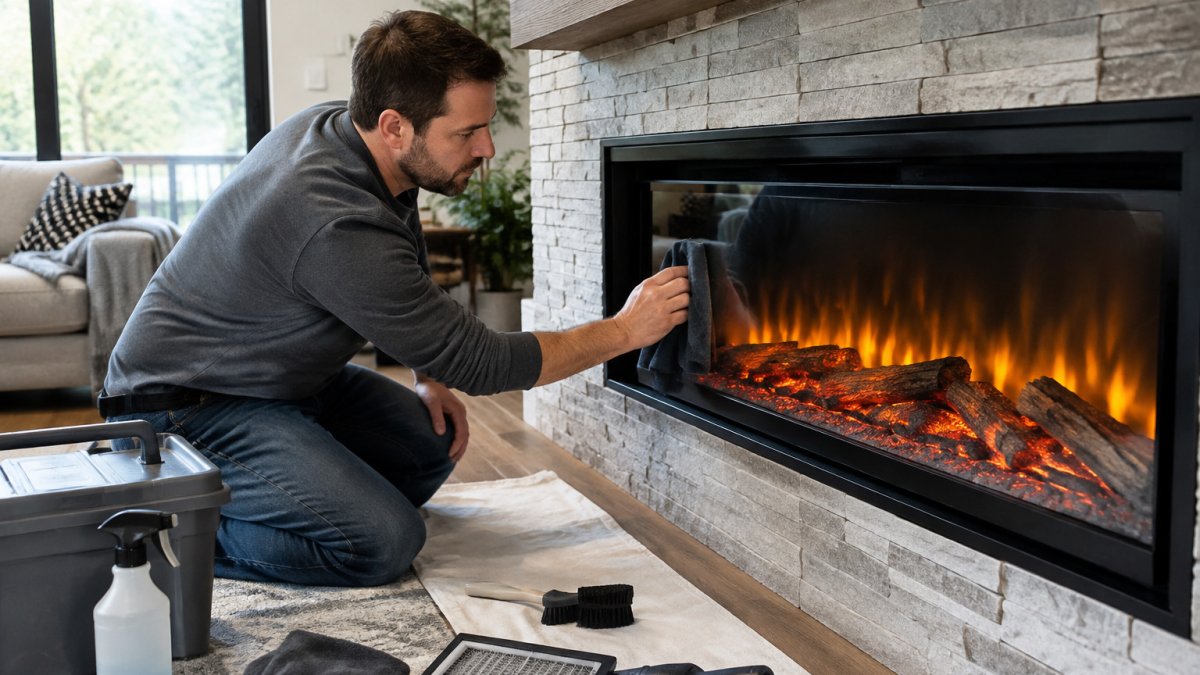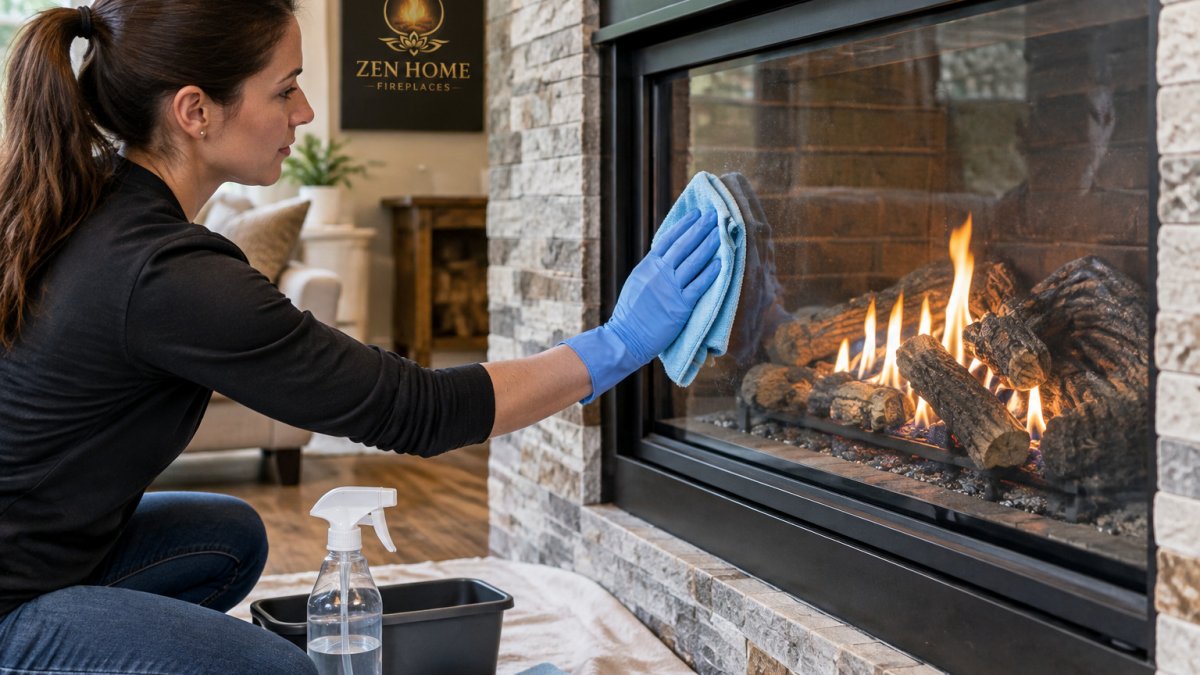
7 Steps to Clean Gas Fireplace Glass Safely
Quick Summary
To clean gas fireplace glass safely, first shut off the gas supply valve and let the unit cool fully. Then remove the glass panel if your manual allows, wipe it with a manufacturer-approved gas fireplace glass cleaner and a microfiber cloth, and inspect the gaskets before reinstalling.
- Close the manual shutoff valve on the gas supply line, not just the wall switch.
- Wait at least 30 to 60 minutes and confirm the glass is cool before cleaning.
- Use a cleaner approved for your model and avoid abrasive pads or steel wool.
- Spray cleaner onto the cloth rather than the glass to keep liquid away from the gasket.
- Call a qualified technician if you smell gas or if glass or gaskets are cracked or damaged.
Table of Contents
- Why Gas Fireplace Glass Gets Hazy and Cloudy
- What Causes White Film on Gas Fireplace Glass
- Safety Checklist Before You Touch the Glass
- Tools and Cleaners: Choosing the Best Gas Fireplace Glass Cleaner
- How to Remove Glass Fireplace Doors for Cleaning
- Step-by-Step: Cleaning the Glass, Inspecting Seals, and Reinstalling
- Troubleshooting Stubborn Stains and When to Call a Professional
- Frequently Asked Questions
Why Gas Fireplace Glass Gets Hazy and Cloudy
Gas fireplace glass usually turns hazy because of normal combustion byproducts that bake onto the surface over time.
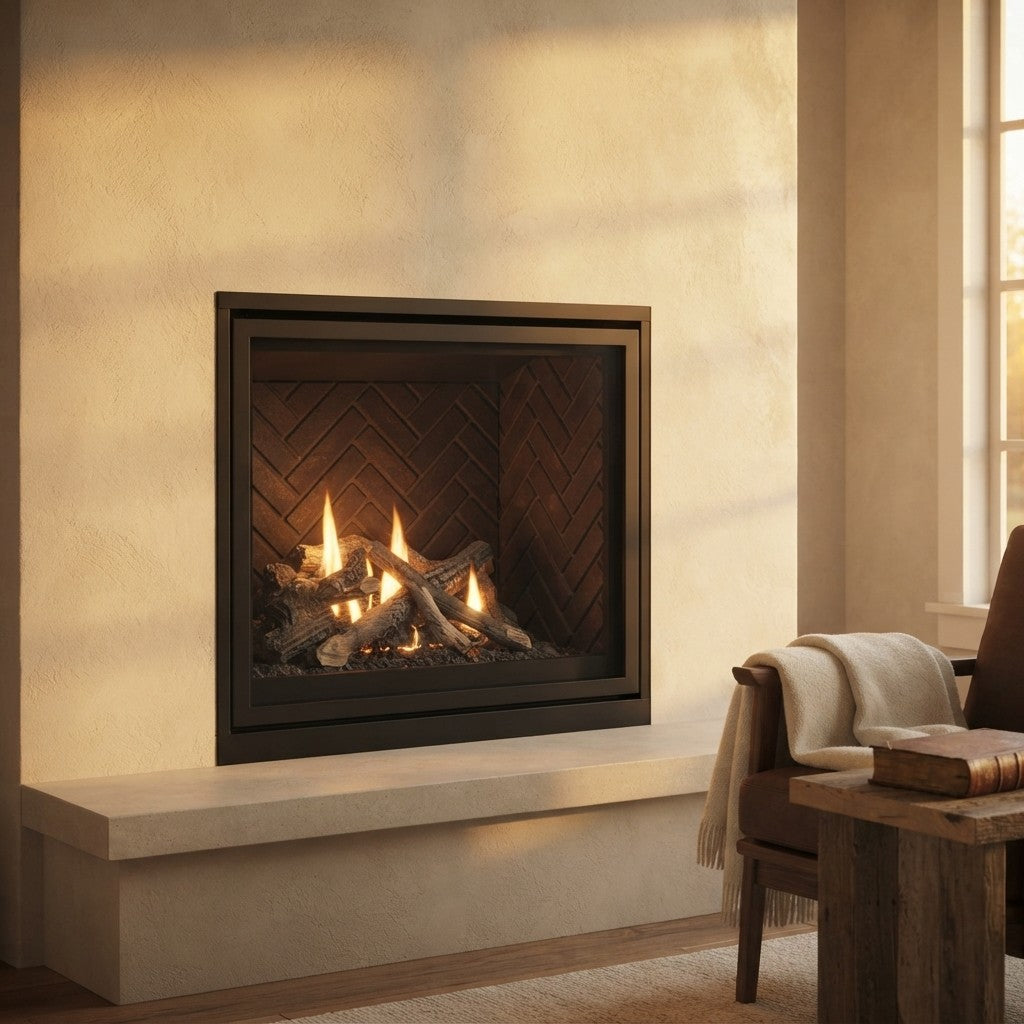
Most homeowners notice the haze after a season or two of regular use. The glass looks dull, and the flames seem less sharp than they did when the unit was new.
The haze can come from a mix of soot, mineral deposits, and a thin film from the gas burning. Each one needs a slightly different approach.
Diagnosing the Cause of Haze Before You Clean
Before you reach for any cleaner, look closely at the glass with the fireplace cold. A quick check helps you choose the right method.
- Dusty, dry soot: Usually wipes away with a dry or damp microfiber cloth.
- Oily or sticky film: Often needs a dedicated fireplace glass cleaner.
- White, chalky residue: Often comes from mineral deposits, and vinegar solutions may help.
- Scratches or etching: Cleaning will not remove these. The glass may need replacing.
If you're unsure, test your cleaner on a small, hidden corner first. This is a simple way to protect the finish.
What Causes White Film on Gas Fireplace Glass
White film on gas fireplace glass is usually a mineral or residue build-up. It forms when moisture, hard water deposits, or certain combustion byproducts settle on the glass and heat onto the surface.
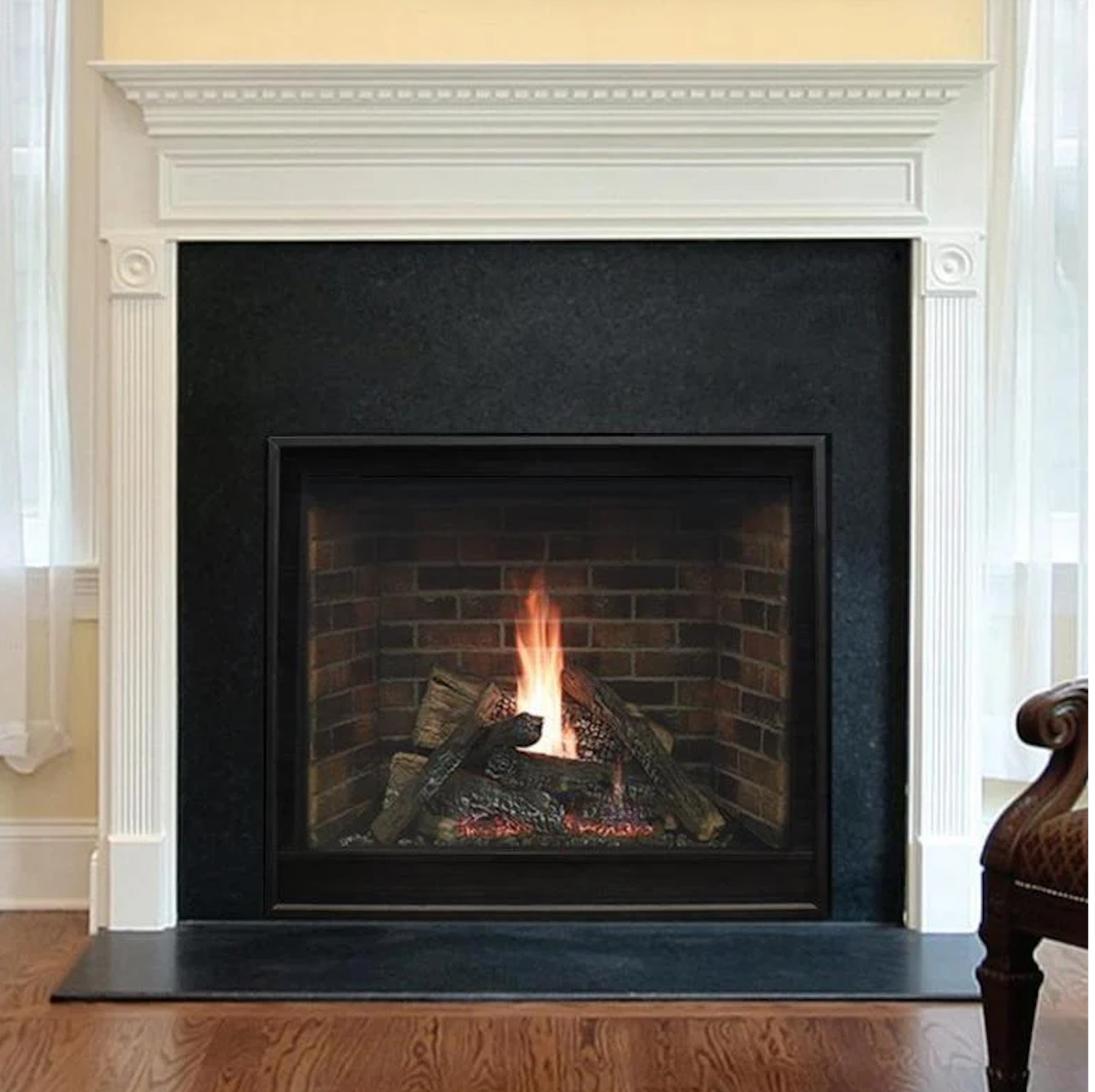
Many homeowners see this film more often in units that run for long hours. It can also appear if the fireplace is near a humid area or if the room has hard water.
A common mistake is using paper towels or harsh household cleaners on this film. Paper towels can leave lint, and strong chemicals may damage seals or the glass coating.
Safety Checklist Before You Touch the Glass
Safety comes first with any gas appliance, and the order of these steps matters. Work through them in sequence.
- Shut off the gas at the source. Close the manual shutoff valve on the supply line to the fireplace, not just the wall switch. On many units the valve is behind the lower access panel or louver; on others it is a wall-mounted shutoff nearby. Turn the valve handle so it sits perpendicular to the pipe.
- Turn the unit off at the controls. Use the remote, wall switch, or control panel to shut down the burner. This clears any call for heat before you open the firebox.
- Confirm the pilot is out. If your model has a standing pilot, watch the pilot flame after shutdown. It should go out when the gas supply is closed. If a pilot or flame persists after the valve is closed, stop and call a qualified technician, do not proceed.
- Wait for a full cool-down. Glass and metal can stay hot long after the flame is out. Give the unit at least 30 to 60 minutes, then touch the glass and frame with the back of your hand before going further. If either is still warm, wait longer.
- Clear the work area. Keep children and pets out of the room, and remove rugs, curtains, or decor that could contact hot surfaces or catch cleaner overspray.
- Put on gloves and eye protection. Gloves protect against sharp panel edges and gasket clips; eye protection matters when you spray cleaner near the firebox opening.
- Read the owner's manual for your model. Glass-removal methods, approved cleaners, and gasket handling vary by appliance. The manual is the authority on clips, latches, and panel seating for your unit.
Watch out: Never spray cleaner onto warm glass or into a firebox that has not fully cooled.
A few tasks should be left to a qualified technician rather than handled as routine cleaning: any smell of gas at any point, a pilot that will not stay lit or will not go out, a glass panel that will not release after you have followed the manual, cracked or chipped glass, or damaged gaskets and seals.
Tools and Cleaners: Choosing the Best Gas Fireplace Glass Cleaner
You don't need many tools to clean gas fireplace glass, but the right ones make a difference. Gather these before you start:
- Microfiber or lint-free cloths
- A soft, non-abrasive sponge
- A bucket of warm water
- White vinegar, if your manufacturer allows it
- A fireplace glass cleaner approved for your model
- A small brush for corners and gaskets
When you're choosing the best gas fireplace glass cleaner, look for a product labeled safe for fireplace glass. Many homeowners find that a cleaner made for this job removes film faster and reduces streaking. Avoid abrasive pads, steel wool, and ammonia-based products, which can scratch the glass or affect seals.
For most jobs, a manufacturer-approved cleaner paired with a soft microfiber cloth works well. Pick one that is safe for your specific glass type and your model's instructions.
How to Remove Glass Fireplace Doors for Cleaning
Not every gas fireplace glass panel comes out the same way. Some models have clips, some have latches, and some use screws. Always check your owner's manual first.
In general, the process looks like this:
- Confirm the unit is off and fully cooled.
- Locate the clips or latches holding the glass in place.
- Release the clips gently, one side at a time.
- Lift the glass straight out and set it on a padded surface.
Handle the glass by its edges. Avoid pressing on the center, since this can stress the panel.
Watch out: Do not force a glass panel that won't release. Forcing it can crack the glass or damage the gasket. Check the manual or call a professional instead.
Step-by-Step: Cleaning the Glass, Inspecting Seals, and Reinstalling
Once the glass is out, follow these steps to clean it safely and check the seals.
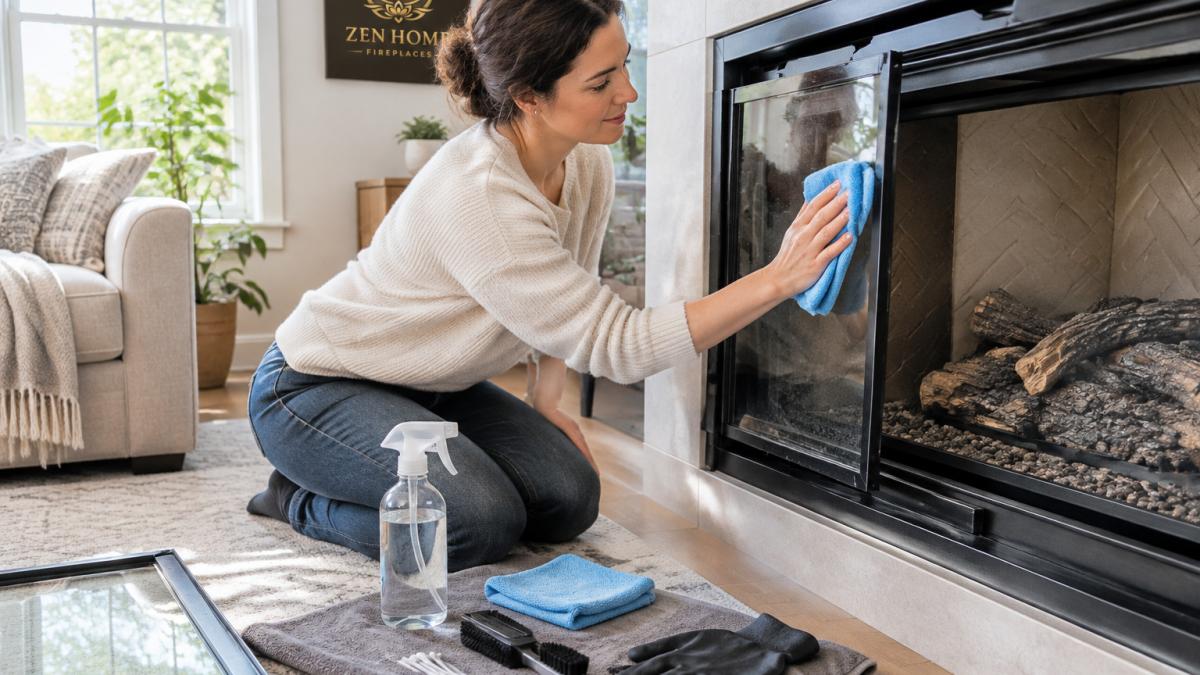
- Spray the cleaner onto the cloth, not the glass. This keeps liquid away from the gasket.
- Wipe the glass in gentle, overlapping strokes. Work from the top down.
- Let the cleaner sit briefly if the film is stubborn. Follow the product label for timing.
- Buff the glass dry with a clean microfiber cloth. Use slow, even passes until it looks clear.
- Inspect the gasket and seals. Look for cracks, flattening, or gaps. Damaged seals need replacing before you reinstall.
- Clean the frame lightly. Remove any loose soot with a soft brush.
- Reinstall the glass and check the fit. Make sure the clips or latches lock fully, and the glass sits evenly.
Before you turn the unit back on, run a short test with the glass in place. Watch the flame for steady burning and check for any unusual smells. If anything looks wrong, turn it off and call a technician.
The steps below summarise the cleaning sequence, with the key action for each stage.
| Step | What to do | Note |
|---|---|---|
| 1 | Spray cleaner onto the cloth, not the glass | Keeps liquid away from the gasket |
| 2 | Wipe in gentle, overlapping strokes from the top down | Work top to bottom |
| 3 | Let cleaner sit briefly if film is stubborn | Follow the product label for timing |
| 4 | Buff dry with a clean microfiber cloth | Slow, even passes until clear |
| 5 | Inspect gasket and seals | Replace if cracked, flattened or gapped |
| 6 | Clean the frame lightly | Remove loose soot with a soft brush |
| 7 | Reinstall and check the fit | Clips or latches must lock fully |
Troubleshooting Stubborn Stains and When to Call a Professional
If the haze returns quickly or will not budge, the cause is usually more than surface buildup. Before you repeat the cleaning, work out which pattern you are seeing, the fix is different for each.
- Film returns within a few burns: This points to an ongoing combustion or airflow issue rather than a cleaning problem. Common causes include a dirty burner, blocked air openings, or a log or media set that is out of position and disrupting the flame. Cleaning the glass again will not solve it; the unit needs service.
- Heavy, dark soot rather than light haze: Soot that builds fast often signals incomplete combustion or a flame impinging on the glass. Stop using the unit and have a technician check the burner and air shutter.
- White, chalky residue that keeps coming back: Mineral deposits can come from moisture or hard water in the room, but recurring white film can also point to residue from an unapproved cleaner or a seal problem letting combustion byproducts past the gasket. Confirm you are using a cleaner approved for your model, and inspect the gasket.
- Stains that will not lift at all: Baked-on residue from years of use may need a longer dwell time with an approved cleaner. Apply cleaner to a cloth, press it against the stain for the time the product label allows, then wipe gently. Do not switch to abrasive pads or steel wool, they scratch the glass and can leave a permanent dull patch.
- Scratches, etching, or a cloudy patch that cleaning does not change: These are damage, not buildup. Cleaning will not remove them, and the panel may need replacement.
Watch out: Do not keep scrubbing a stain that is not lifting. Repeated aggressive cleaning can damage the glass coating or push cleaner into the gasket, and it will not fix an underlying combustion problem.
Call a qualified technician if you notice any of the following:
- A gas odor at any time, before, during, or after cleaning.
- Heavy soot that returns after one or two burns.
- Cracked, chipped, or etched glass.
- Gaskets that are cracked, flattened, or no longer sealing, or a panel that will not seat evenly.
- A glass panel that will not release after you have followed the owner's manual.
- Unusual odors, a weak or lazy flame, or a pilot that behaves differently after reassembly.
A short test run after reassembly is the best way to catch problems early.
Frequently Asked Questions
How can I safely clean the glass on my gas fireplace?
Turn off the gas and pilot, and let the fireplace cool completely before touching the glass. Use a cleaner made for fireplace glass or a mild warm water and white vinegar solution, apply it with a soft lint-free cloth, and wipe gently. Avoid abrasive pads and harsh household sprays that can scratch the glass or damage the gasket. Buff with a dry microfiber cloth until clear. If you are unsure about your model, check the owner's manual or contact the manufacturer before proceeding.
Is it safe to remove the glass from a gas fireplace?
Removing the glass is often safe for cleaning, but only after the fireplace is off and fully cooled. Check your owner's manual first, because glass clips, latches and gasket designs vary by model. Handle the glass by its edges, set it on a padded surface, and never force a panel that resists. If the glass is cracked or the gasket looks worn, stop and call a professional before reinstalling. Improper reinstallation can affect the seal and performance of the fireplace.
What causes white film on gas fireplace glass and how do you remove it?
White film usually comes from mineral deposits in water, residue from combustion, or buildup from soot that bonds to the glass over time. Removing it typically requires a fireplace glass cleaner or a warm water and white vinegar solution applied with a soft cloth, followed by buffing. If the film returns quickly, check for incomplete combustion or a problem with the burner, and have a technician inspect the unit. Consistent cleaning and avoiding hard water residue on the glass can help reduce recurrence.
Can you use vinegar to clean gas fireplace glass?
Yes, a mix of warm water and white vinegar is a common, low-cost option for light haze and mineral film on fireplace glass. Apply it with a soft lint-free cloth, wipe gently, and buff dry with a clean microfiber cloth. Avoid over-soaking the area, keep liquid away from the gasket and burner components, and do not use it on heavy soot without a dedicated cleaner. For stubborn buildup, a product designed for fireplace glass is the safer choice.